






جموں و کشمیر پر تنازعہ: تاریخ، انسانی حقوق، اور موجودہ حقیقت
جموں و کشمیر کا علاقہ دنیا کے سب سے زیادہ عسکری اور دیرپا تنازعات والے علاقوں میں سے ایک ہے۔ جوہری ہتھیاروں سے لیس پڑوسی ممالک بھارت اور پاکستان کے درمیان واقع یہ علاقہ دہائیوں سے سیاسی عدم استحکام، مسلح شورش اور انسانی حقوق کے سنگین بحرانوں کا شکار رہا ہے۔ بھارتی حکومت کے بڑے آئینی تبدیلیوں کے بعد، یہ علاقہ بھاری فوجی نگرانی، محدود شہری آزادیوں اور بدلتے سیاسی منظرناموں کے پیچیدہ جال میں پھنسا ہوا ہے۔
بھارتی قبضے کی مختصر تاریخ
کشمیر تنازعہ کی جڑیں 1947 میں برطانوی ہندوستان کی تقسیم تک پہنچتی ہیں۔ تقسیم کے منصوبے کے تحت، شاہی ریاستوں کو جغرافیائی قربت اور آبادی کی حقیقتوں کی بنیاد پر نو تشکیل شدہ ریاست ہندوستان یا پاکستان میں شامل ہونے کا اختیار دیا گیا تھا۔
جموں و کشمیر، جو کہ ایک ہندو حکمران، مہاراجہ ہری سنگھ کے زیر انتظام ایک مسلم آبادی والا علاقہ تھا، نے ابتدائی طور پر آزادی کی کوشش کی۔ تاہم، اکتوبر 1947 میں، پاکستان کی حمایت یافتہ مسلح قبائلی ملیشیاؤں کے حملے کے بعد، مہاراجہ نے فوجی امداد کے لیے ہندوستان کا رخ کیا۔ ہندوستان نے اس شرط پر مداخلت پر اتفاق کیا کہ مہاراجہ الحاق کا آلہ پر دستخط کریں، جس سے یہ علاقہ باضابطہ طور پر ہندوستان میں شامل ہو جائے۔
1947 تقسیم -> مہاراجہ الحاق پر دستخط کرتا ہے -> پہلی ہند-پاک جنگ -> 1949 لائن آف کنٹرول (LoC)
اس چنگاری نے پہلی ہند-پاکستانی جنگ کو جنم دیا، جو 1949 میں اقوام متحدہ کی ثالثی سے ہونے والے جنگ بندی کے ساتھ اختتام پذیر ہوئی۔ جنگ بندی نے لائن آف کنٹرول (LoC) قائم کی، جس نے علاقے کو ہندوستانی زیر انتظام جموں و کشمیر اور پاکستانی زیر انتظام آزاد کشمیر میں تقسیم کر دیا۔ الحاق میں سہولت کے لیے، ہندوستان نے اپنے آئین میں آرٹیکل 370 شامل کیا، جس نے جموں و کشمیر کو نمایاں خودمختاری، اپنا آئین، ایک الگ پرچم، اور اس کے رہائشیوں کے لیے خصوصی زمین کی ملکیت کے حقوق عطا کیے۔
انسانی حقوق کی خلاف ورزیاں اور دستاویزی مظالم
1980 کی دہائی کے آخر سے، جب ہندوستانی حکمرانی کے خلاف ایک وسیع مسلح شورش پھوٹ پڑی، کشمیری شہری تنازعہ کا سب سے زیادہ شکار ہوئے ہیں۔ انسانی حقوق کی تنظیموں - جن میں ایمنسٹی انٹرنیشنل، ہیومن رائٹس واچ، اور اقوام متحدہ کے ہائی کمشنر برائے انسانی حقوق (OHCHR) شامل ہیں - نے مسلح افواج (خصوصی اختیارات) ایکٹ (AFSPA) اور پبلک سیفٹی ایکٹ (PSA) جیسے حفاظتی قوانین کے تحت ہونے والی منظم خلاف ورزیوں کو وسیع پیمانے پر دستاویزی شکل دی ہے۔
کلیدی دستاویزی غلط استعمال میں شامل ہیں:
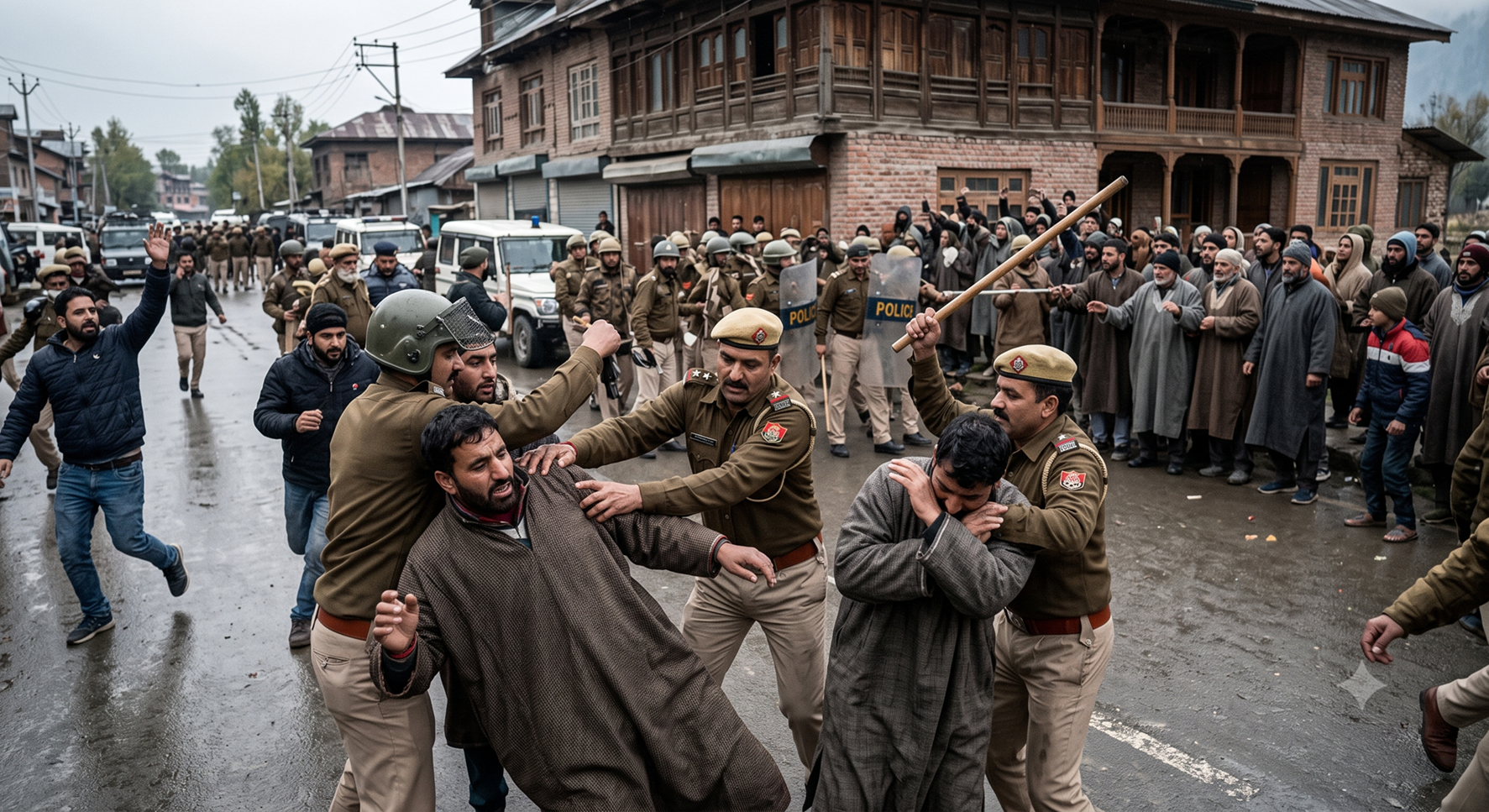
- زبردست طاقت کا استعمال: ہجوم کو منتشر کرنے کے لیے سیکورٹی فورسز کی جانب سے پیلیٹ فائرنگ شاٹ گنوں کا وسیع پیمانے پر استعمال ہزاروں شہریوں، جن میں بچے بھی شامل ہیں، کے مستقل اندھے پن اور چہرے کی شدید چوٹوں کا باعث بنا ہے۔
- جبری نظربندی اور جبری گمشدگیاں: ہزاروں کارکنان، سیاسی شخصیات، طلباء، اور صحافیوں کو بغیر کسی باضابطہ الزام کے طویل مدتی نظربندی کا سامنا رہا ہے۔ مقامی انسانی حقوق کے گروپوں کا اندازہ ہے کہ 1989 سے اب تک ہزاروں افراد لاپتہ ہو چکے ہیں، جن کے پیچھے “آدھی بیواؤں” اور ناقابل حل دکھ کا ایک ورثہ چھوڑ گئے ہیں۔
- غیر قانونی قتل: انسانی حقوق کے گروپ اکثر “منصوبہ بند مقابلوں” کی نشاندہی کرتے ہیں، جہاں مبینہ طور پر شہریوں کو سرچ آپریشن کے دوران عسکریت پسند سمجھ کر غلط شناخت کی جاتی ہے۔
- آزادی اظہار پر پابندیاں: وادی میں آزاد صحافت کو شدید دباؤ کا سامنا رہا ہے۔ میڈیا دفاتر پر چھاپے، سفری پابندیاں، اور انسداد دہشت گردی کے قوانین کے تحت نمایاں صحافیوں اور انسانی حقوق کے محافظوں کی گرفتاری نے مقامی رپورٹنگ کو سختی سے محدود کر دیا ہے۔
اقوام متحدہ کا موقف
اقوام متحدہ نے سات دہائیوں سے زائد عرصے سے جموں و کشمیر کے تنازعے پر ایک فعال فائل رکھی ہوئی ہے۔
سلامتی کونسل کی قرارداد 47 (1948): اقوام متحدہ کی سلامتی کونسل نے یہ لازمی قرار دیا ہے کہ ریاست جموں و کشمیر کا حتمی فیصلہ اقوام متحدہ کی نگرانی میں ہونے والے ایک آزاد، منصفانہ اور غیر جانبدارانہ رائے شماری کے ذریعے کیا جائے گا تاکہ کشمیری عوام کی مرضی کا تعین کیا جا سکے۔
تاہم، رائے شماری کے لیے درکار شرائط — خاص طور پر ہندوستان اور پاکستان دونوں کی طرف سے علاقے کی ہم آہنگ غیر فوجی بنانے کا عمل — کبھی بھی پوری نہیں ہوئی۔ نتیجے کے طور پر، یہ ووٹ کبھی نہیں ہوا۔
حالیہ برسوں میں، اقوام متحدہ کی توجہ علاقائی ثالثی سے ہٹ کر انسانی حقوق کی صورتحال کی نگرانی کی طرف منتقل ہو گئی ہے۔ اقوام متحدہ کے ہائی کمشنر برائے انسانی حقوق نے ایک تاریخی رپورٹ جاری کی جس میں منظم استثنیٰ کی تفصیلات بیان کی گئیں اور لائن آف کنٹرول کے دونوں اطراف ہونے والے مظالم کی بین الاقوامی تحقیقات کا مطالبہ کیا گیا۔ بین الاقوامی فورمز میں، اقوام متحدہ کی سلامتی کونسل کشمیر کو وقتاً فوقتاً ایک غیر حل شدہ ایجنڈا آئٹم کے طور پر دہراتی ہے، اور بین الاقوامی قانون اور اقوام متحدہ کے چارٹر کی پابندی پر زور دیتے ہوئے پرامن دوطرفہ مذاکرات کی ترغیب دیتی ہے۔
موجودہ صورتحال اور فوجی حکمرانی
ہندوستانی زیر انتظام جموں و کشمیر کا موجودہ منظر نامہ 5 اگست 2019 کو بنیادی طور پر تبدیل ہو گیا جب ہندوستانی پارلیمنٹ نے آرٹیکل 370 کو منسوخ کر دیا۔ اس قانون سازی نے خطے کا خصوصی خود مختار حیثیت ختم کر دی اور ریاست کو دو الگ الگ، وفاقی طور پر کنٹرول شدہ یونین علاقوں: جموں و کشمیر، اور لداخ میں تقسیم کر دیا۔
اگست 2019: آرٹیکل 370 منسوخ
│
├──> خود مختاری ختم
└──> 2 یونین علاقوں (J&K اور لداخ) میں تقسیم
خطے میں موجودہ حقیقت کو سخت سیکیورٹی مینجمنٹ اور بتدریج مقامی سیاسی عمل کے دوہرے انداز سے بیان کیا گیا ہے:
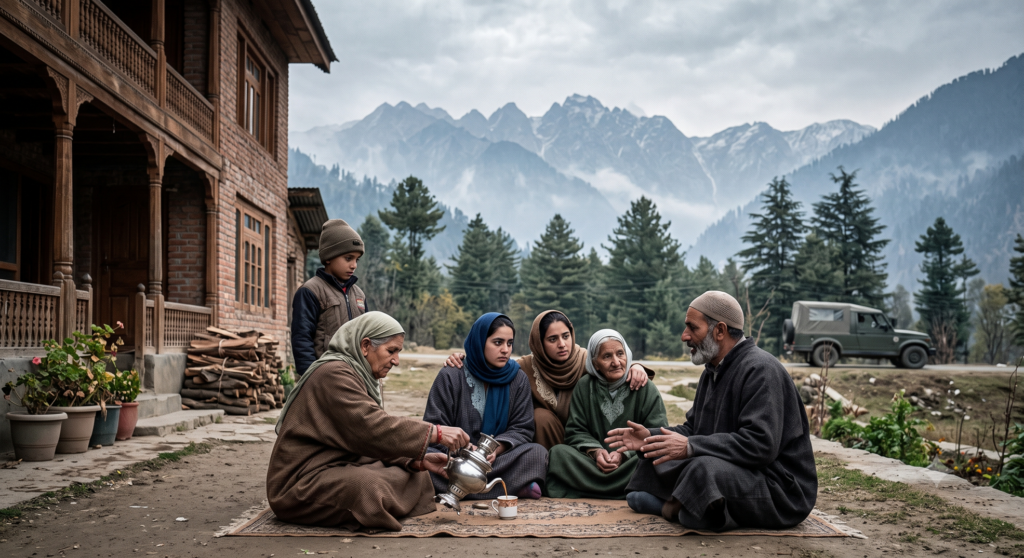
- سیکیورٹی آرکیٹیکچر: باغیانہ خیالات کو دبانے اور سرحد پار سے عسکریت پسندی کو روکنے کے لیے سیکیورٹی فورسز قصبوں اور دیہی علاقوں میں وسیع پیمانے پر موجود ہیں۔ چیک پوسٹیں، نگرانی کے سخت نیٹ ورک، اور پیشگی مواصلات کی بندش فعال آپریشنل ٹولز کے طور پر استعمال ہوتے ہیں۔
- آبادی اور زمین کی تبدیلی: 2019 کے بعد متعارف کرائے گئے نئے ڈومیسائل قوانین غیر مقامی افراد کو زمین خریدنے اور سرکاری ملازمت کے لیے اہل ہونے کی اجازت دیتے ہیں۔ مقامی باشندے اس بات پر گہری تشویش کا اظہار کرتے ہیں کہ ان اقدامات کا مقصد ہندوستان کے واحد مسلم اکثریتی علاقے کی آبادیاتی خصوصیات کو تبدیل کرنا ہے۔
- مقامی سیاسی مزاحمت: اگرچہ ہندوستان استحکام کی علامت کے طور پر بنیادی ڈھانچے کے اخراجات، سیاحت میں اضافہ، اور علاقائی ہم آہنگی کو اجاگر کرتا ہے، لیکن مقامی سیاسی قیادت اس بیانیے کو چیلنج کرتی ہے۔ نو منتخب مقامی عہدیدار وفاقی انتظامیہ کے خلاف مزاحمت جاری رکھے ہوئے ہیں، کھلم کھلا ریاست کی مکمل بحالی کا مطالبہ کر رہے ہیں اور وفاقی اداروں کی جانب سے حلقہ بندیوں یا سیاسی سرحدوں کو تبدیل کرنے کی کوششوں کی مخالفت کر رہے ہیں۔
سطح پر قائم امن سیکیورٹی فورسز کی مسلسل، بھاری موجودگی پر بہت زیادہ منحصر ہے، جس کی وجہ سے آبادی کی بنیادی سیاسی شکایات بڑی حد تک غیر حل شدہ رہ جاتی ہیں۔
اس علاقے کے گرد سفارتی بات چیت کے بارے میں مزید تجزیے کے لیے، آپ India Tears Into Pakistan at UN Over Kashmir دیکھ سکتے ہیں۔ یہ ویڈیو اقوام متحدہ میں ریاستی نمائندوں کی جانب سے علاقے کی خودمختاری کے بارے میں پیش کیے گئے سخت سفارتی تبادلے اور رسمی دلائل کی تفصیلات بیان کرتی ہے۔








شامل ہوں!
تبصرے