The Fragile Threshold: Analyzing the Global Decay of Human Rights in the Modern Era – Part 3

3. Pakistan: Civic Strangulation and Institutional Decay
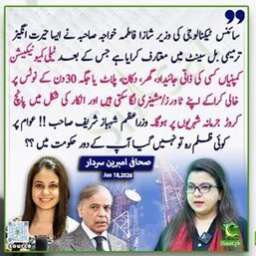
If Palestine illustrates the devastating impact of military conflict and occupation on human rights, Pakistan offers a case study in how hybrid governance, economic instability, and institutional decay can dismantle civil liberties within a sovereign nation. Over the past several years, Pakistan’s human rights trajectory has steeply declined, characterized by the suppression of dissent, political persecution, and the systemic failure to protect marginalized groups.

The Shrinking Civic Space and Digital Censorship
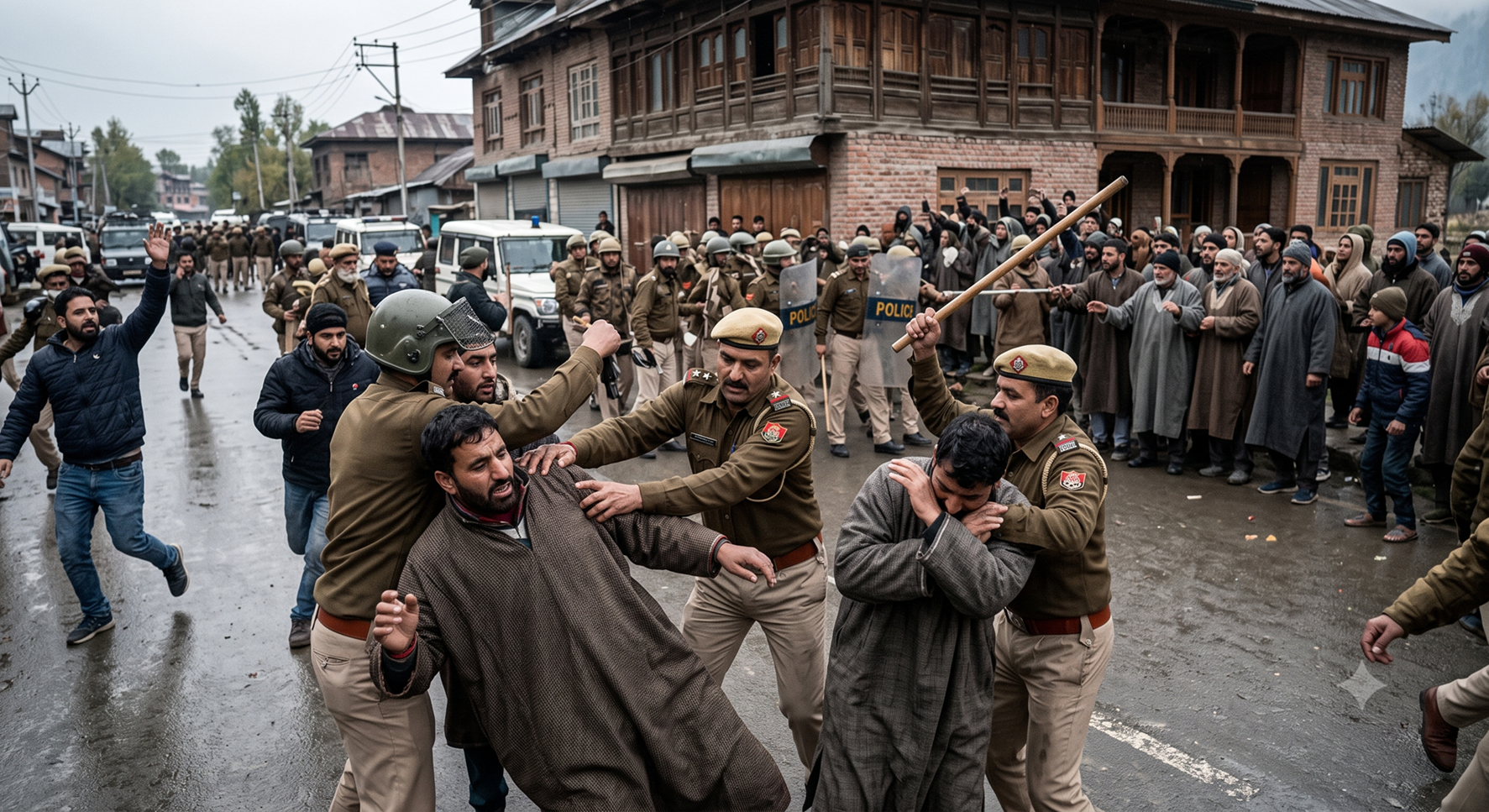
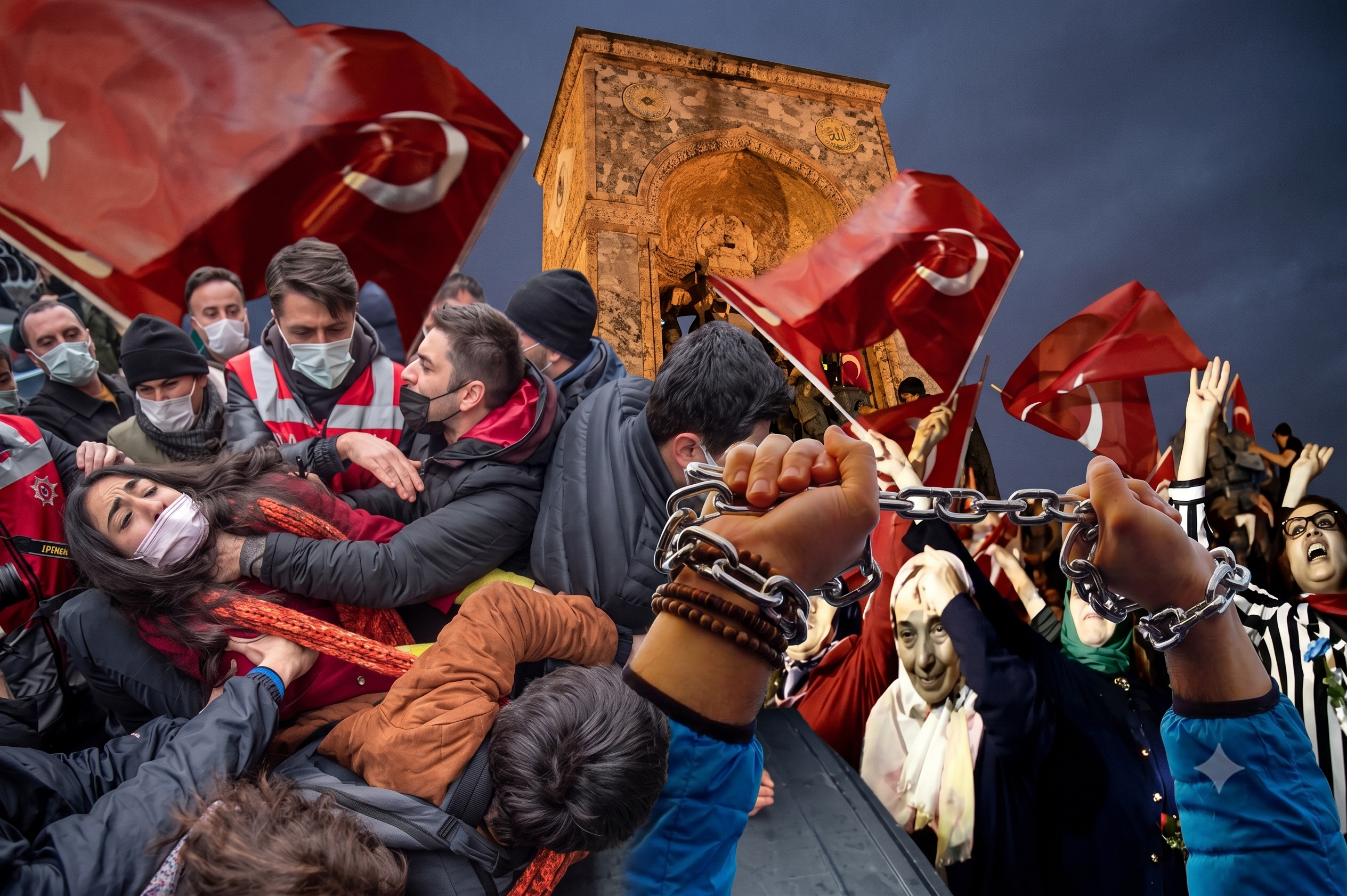
Pakistan has witnessed an unprecedented crackdown on freedom of expression and peaceful assembly. Journalists, bloggers, and political activists who dare to criticize the powerful military establishment or the civilian government face severe repercussions.

The state has aggressively weaponized cybercrime laws—specifically the Prevention of Electronic Crimes Act (PECA)—to criminalize political speech and silence online dissent. To prevent the mobilization of opposition movements and control the narrative, the state has normalized routine, sweeping internet blackouts and bans on major social media platforms.

Enforced Disappearances and Extrajudicial Measures
Perhaps the most egregious human rights violation in Pakistan remains the practice of enforced disappearances. For years, activists, students, and journalists—particularly from Balochistan, Khyber Pakhtunkhwa, and Sindh—have been abducted by state security agencies without charge, legal representation, or access to their families.

The Commission of Inquiry on Enforced Disappearances has failed to provide justice or hold perpetrators accountable. Instead of abolishing this practice, successive governments have normalized it, creating a pervasive climate of fear that effectively paralyses civil society. When citizens can vanish into thin air without legal recourse, the rule of law is replaced by absolute state terror.

The Erosion of Judicial Independence and Political Persecution
The foundational democratic principle of the separation of powers has been heavily compromised in Pakistan. The judiciary, which should act as the ultimate defender of citizens’ constitutional rights, faces severe political pressure and internal manipulation.

Political engineering has led to the mass arrest of opposition leaders, activists, and even their families, often on highly dubious charges of sedition or terrorism. The attempts to try civilian political protesters in military courts represent a direct violation of the International Covenant on Civil and Political Rights (ICCPR), to which Pakistan is a signatory. When the courts are captured or bypassed by executive and military power, citizens are left entirely defenseless against state overreach.

The Vulnerability of Marginalized Groups
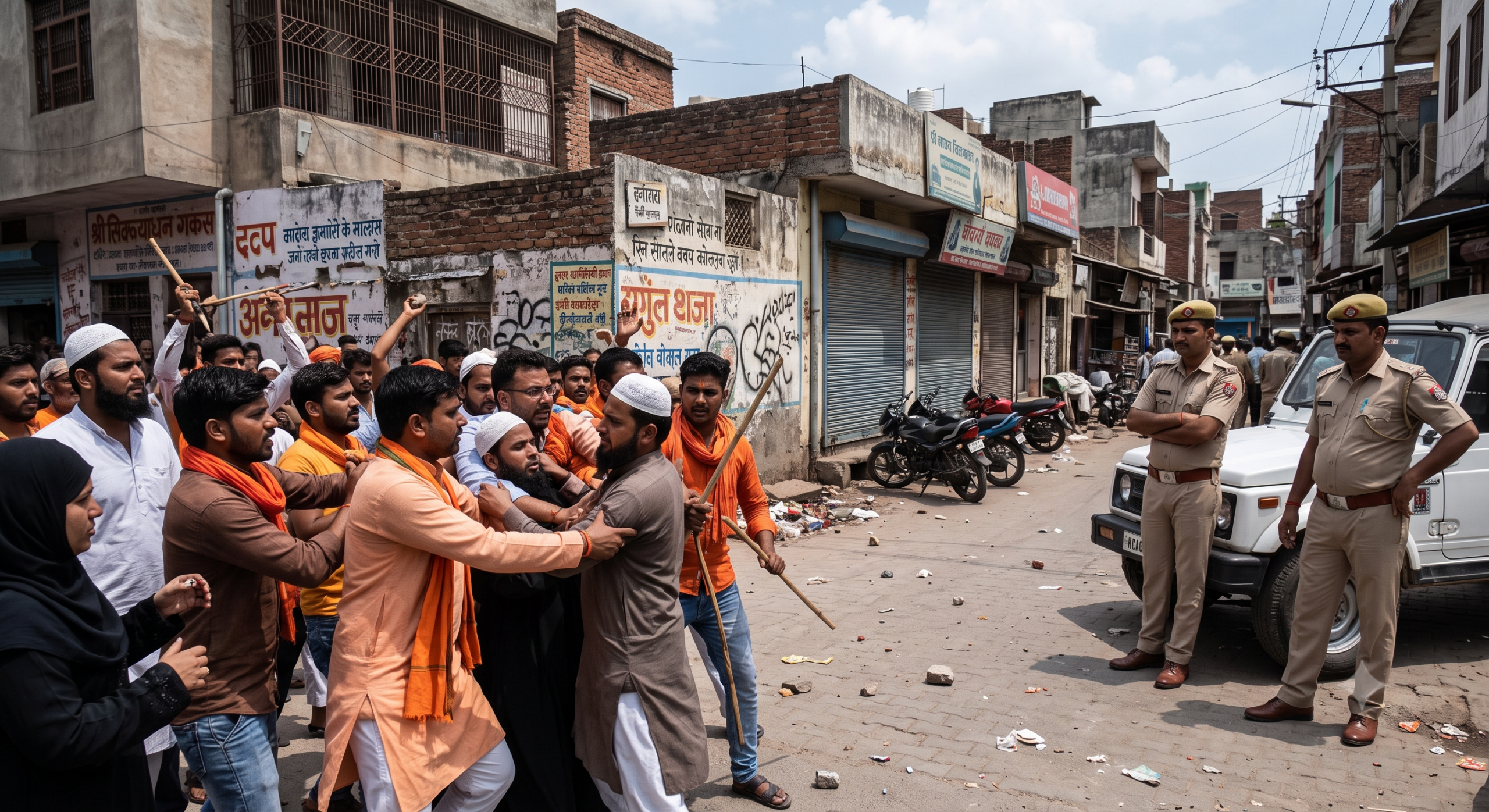
Pakistan’s human rights crisis is further compounded by its failure to protect religious minorities and women. Blasphemy laws, which carry a mandatory death penalty, are regularly exploited to settle personal scores, target religious minorities (such as Ahmadis, Christians, and Hindus), and incite mob violence.
Concurrently, the rights of women and transgender individuals remain deeply precarious. Rates of domestic violence, “honor” killings, and forced conversions of minor girls from minority communities remain alarmingly high, while the state’s legislative and judicial machinery consistently fails to provide adequate protection or ensure swift justice.

4. The Global Impact: Comparative Insights
While Palestine and Pakistan feature vastly different historical and geopolitical contexts, comparing their human rights crises reveals several chilling similarities that define the modern era of human rights decay.

The Common Thread of Geopolitical Impunity
In both cases, domestic and international actors exploit geopolitical calculations to bypass human rights standards. In Palestine, Israel relies on the unconditional diplomatic, financial, and military backing of major Western powers—principally the United States—to insulate itself from international accountability.
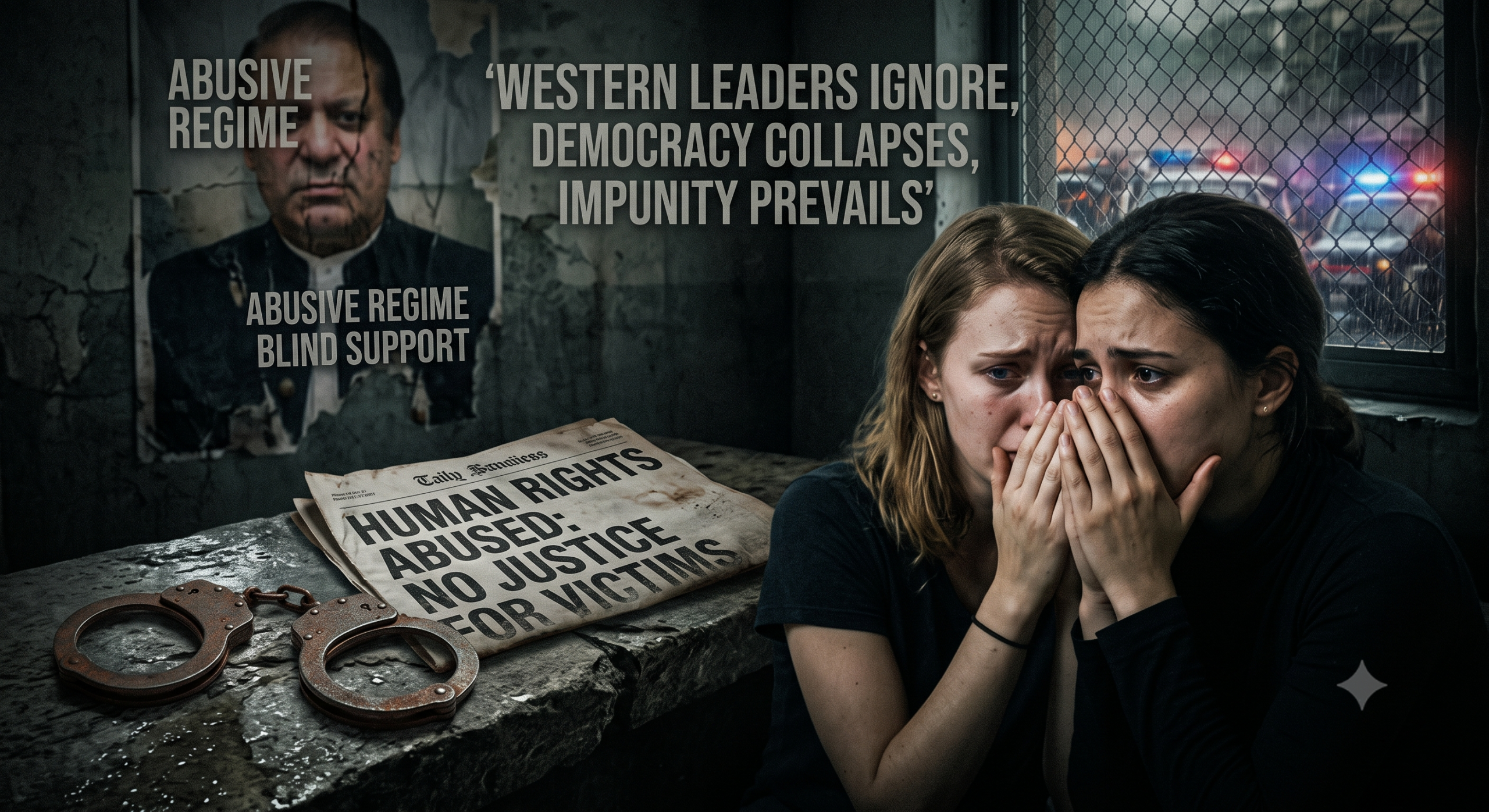
In Pakistan, the international community frequently ignores severe domestic human rights violations, forced disappearances, and the subversion of democracy because the country is viewed through the narrow lens of regional security, nuclear stability, and counter-terrorism cooperation. This selective morality proves that on the global stage, human rights are frequently sacrificed at the altar of strategic interests.

Conclusion: The Path Forward
The deteriorating situation of human rights in Palestine, Pakistan, and across the globe is a warning sign for the future of human civilization. We are witnessing a transition from a world that, however imperfectly, aspired to rule under the law, to a world governed entirely by brute force and political expediency.

Reversing this decay requires more than just issuing boilerplate statements of concern or publishing annual human rights indices. It demands a fundamental restructuring of international enforcement mechanisms:

  • UN Security Council Reform: The archaic veto system must be reformed or bypassed in instances involving mass atrocities and systemic violations of international humanitarian law.
  • Universal Accountability: International bodies like the International Criminal Court (ICC) and the International Court of Justice (ICJ) must be empowered and insulated from political intimidation, ensuring that laws apply equally to powerful states and developing nations alike.
  • Protection of the Civic Architecture: Democratic societies and international organizations must treat digital privacy, a free press, and the right to dissent as non-negotiable red lines, applying robust economic and diplomatic sanctions against regimes that systematically violate them.

Human rights are not a luxury to be enjoyed only during times of peace and economic prosperity; they are the very scaffolding that prevents humanity from sliding back into global conflict and barbarism. If we allow this scaffolding to be dismantled in Palestine, Pakistan, or anywhere else, we ensure that eventually, no one will be safe. The defense of universal human rights is not an act of idealism—it is an urgent prerequisite for our collective survival.

The Fragile Threshold: Analyzing the Global Decay of Human Rights in the Modern Era – Part 2

2. Palestine: The Total Collapse of Humanitarian Norms

The crisis in Palestine represents perhaps the most glaring, long-standing failure of the international rules-based order. Decades of military occupation, blockades, and systemic dispossession have culminated in a catastrophic breakdown of human rights, particularly highlighted by the recent, devastating conflicts in the Gaza Strip and intensifying violence in the West Bank.

The Siege and Weaponization of Survival
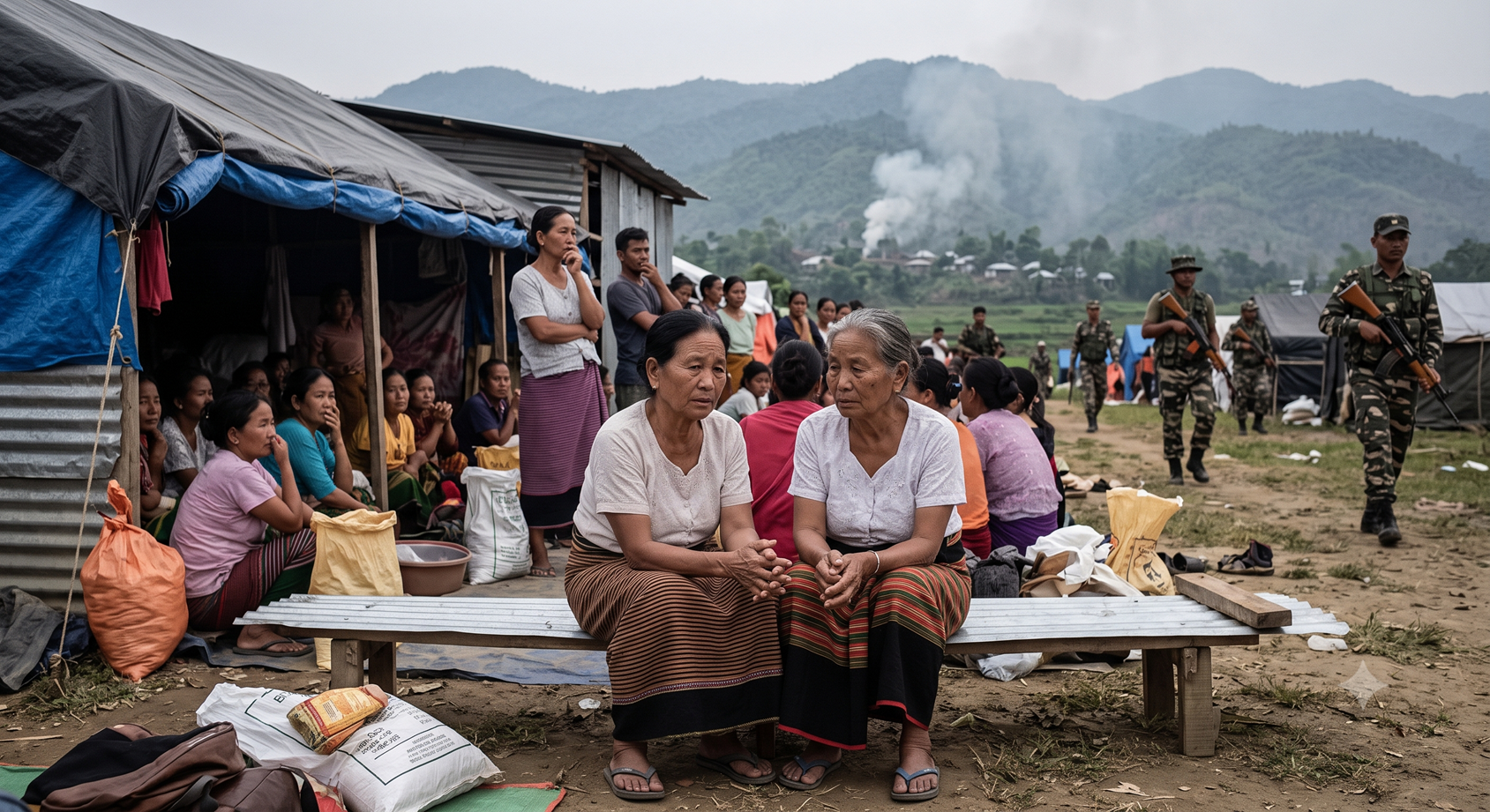
In Gaza, the basic rights enshrined in the Geneva Conventions—the right to life, medical care, food, and water—have been systematically denied. Following years of a crippling blockade, recent military campaigns have witnessed the enforcement of a total siege, characterized by the restriction of humanitarian aid, fuel, and clean water.

Human rights organizations, including Amnesty International and Human Rights Watch, have repeatedly documented the catastrophic consequences of using starvation as a method of warfare. When a population of over two million people, half of whom are children, is subjected to relentless bombardment while denied access to the basic necessities of life, the concept of international humanitarian law ceases to be an active shield; it becomes a historic artifact.

The Destruction of Civil Infrastructure and Medical Neutrality
One of the most alarming aspects of the current global human rights landscape is the normalization of attacks on protected civilian spaces. In Palestine, this has manifested in the widespread destruction of hospitals, schools, universities, places of worship, and refugee camps.

The principle of medical neutrality—a cornerstone of humanitarian law since the 1864 First Geneva Convention—has been obliterated. Hospitals have been turned into combat zones, doctors have been killed or detained, and the healthcare system has completely collapsed. When the international community fails to enforce the sanctity of medical facilities, it establishes a precedent that endangers civilians in every future conflict across the globe.

The West Bank: Fragmented Governance and Impunity
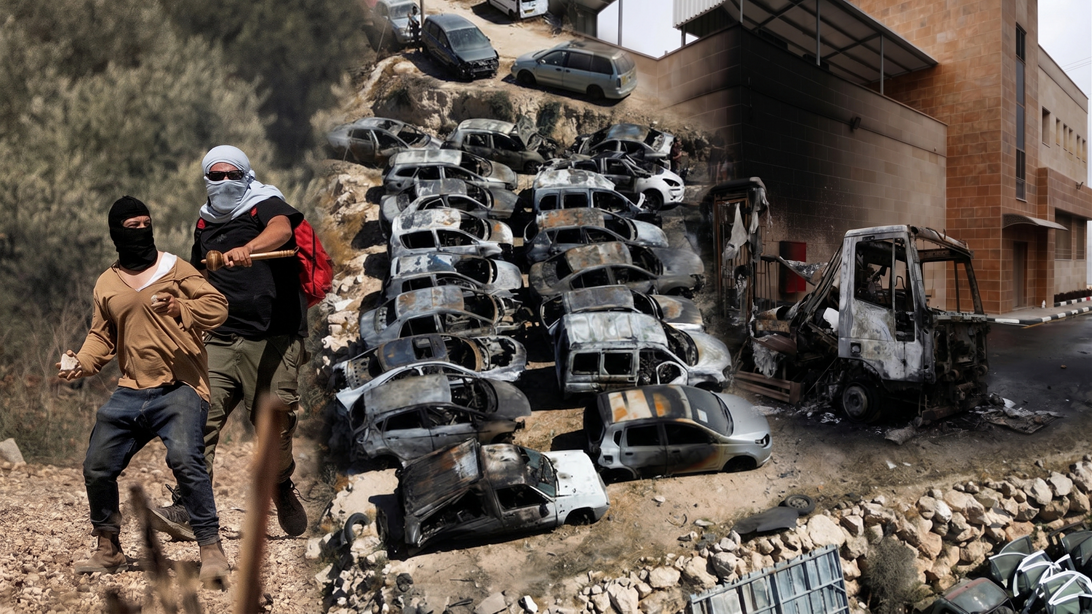
While global attention is frequently anchored to the acute crisis in Gaza, the occupied West Bank exemplifies a different, slower method of human rights erosion: systemic discrimination and demographic engineering. Through the expansion of illegal settlements, land confiscation, arbitrary detentions without trial (administrative detention), and a dual legal system that applies civil law to Israeli settlers and draconian military law to Palestinians, the right to self-determination has been thoroughly dismantled.

The impunity granted to settler violence, often backed or ignored by state forces, showcases what happens when a state is allowed to operate outside the boundaries of international law for generations. It creates an apartheid-like framework where human rights are distributed based on ethnicity and geography, rather than inherent human dignity.

Continue Read Part 3

The Fragile Threshold: Analyzing the Global Decay of Human Rights in the Modern Era – Part 1

Introduction: The Unravelling Consensus
For over three-quarters of a century, the Universal Declaration of Human Rights (UDHR)—adopted by the United Nations General Assembly in 1948—served as the moral compass of international law. Forged in the smoldering ash of the Second World War and the horrors of the Holocaust, the UDHR was built on a singular, foundational premise: that all human beings are born free and equal in dignity and rights. It was a formal acknowledgment that state sovereignty cannot exist as a blank check for internal tyranny or external aggression.

Today, that post-war consensus is fracturing. We are living through an era characterized not by the expansion of human liberties, but by their calculated, systemic rollback. Across the globe, the architecture designed to protect the vulnerable—international humanitarian law, independent judiciaries, a free press, and the right to peaceful dissent—is being systematically dismantled.

This deterioration is not accidental; it is structural. The rise of hyper-nationalism, the weaponization of surveillance technology, the gridlock of the UN Security Council, and a growing culture of geopolitical impunity have combined to create a perilous reality. When powerful states violate international norms with impunity, they provide a blueprint for authoritarian regimes everywhere. The message sent to the world is clear: might makes right, and international law is optional.

To understand the depth of this crisis, we must look beyond abstract legal frameworks and examine how these violations manifest in real-time. By analyzing the structural horrors unfolding in Palestine and the systemic civic decay within Pakistan, we can chart the precise mechanisms through which human rights are being eroded in the 21st century.

1. The Anatomy of Global Regression: Key Drivers
The erosion of human rights globally is driven by a series of interconnected political, technological, and institutional shifts. Understanding these macro-trends is essential before examining specific regional crises.

The Institutional Paralysis of International Law
The primary mechanisms for enforcing international human rights law are broken. The United Nations Security Council (UNSC) is routinely paralyzed by the veto power of its permanent five members (P5). Whether it is the United States shielding allies from accountability, or Russia and China blocking resolutions regarding Syria, Ukraine, or Myanmar, the veto has transformed the UNSC from a guardian of peace into a theater of geopolitical self-interest. Consequently, accountability is meted out selectively—a double standard that destroys the moral authority of international law.

The Rise of Electoral Autocracy
Democracy is facing its most prolonged retreat in decades. The modern threat to freedom rarely arrives via sudden military coups; instead, it occurs through the slow, legalistic strangulation of democratic institutions from within. Leaders win elections through populist rhetoric, only to immediately dismantle the checks and balances that limit their power. They muzzle journalists, rewrite constitutions, capture the judiciary, and criminalize opposition politics—all while maintaining a thin veneer of democratic legitimacy.

Digital Authoritarianism and Surveillance Capitalism
Technology, once hailed as a tool for liberation, has been repurposed into an instrument of absolute state control. Governments worldwide now deploy sophisticated spyware (such as Pegasus), facial recognition systems, and algorithmic monitoring to track dissidents, journalists, and activists. Furthermore, the practice of state-mandated internet shutdowns has become a standard tactic to suppress protests, hide state-sponsored violence, and isolate targeted populations from the global community.

Continued to Part 2