The Conflict Over Jammu & Kashmir: History, Human Rights, and the Present Reality
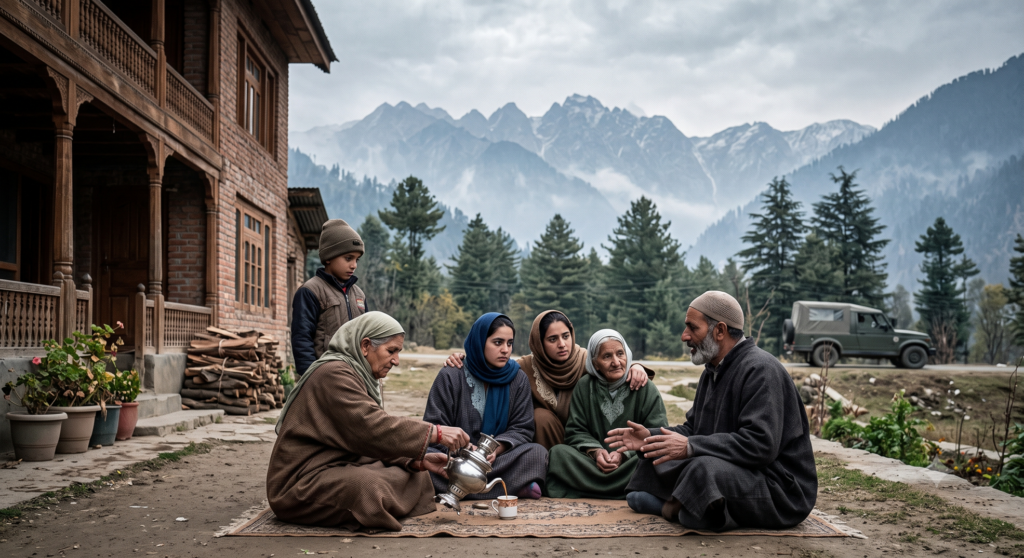
The region of Jammu and Kashmir remains one of the most heavily militarized and enduring conflict zones in the world. Positioned between nuclear-armed neighbors India and Pakistan, the territory has experienced decades of political upheaval, armed insurgency, and severe human rights crises. Following major constitutional changes enacted by the Indian government, the region continues to navigate a complex matrix of heavy military oversight, restricted civil liberties, and shifting political landscapes.
A Brief History of the Indian Takeover
The roots of the Kashmir conflict date back to the 1947 partition of British India. Under the partition plan, princely states were given the choice to join either the newly formed dominion of India or Pakistan, based on geographic contiguity and demographic realities.
Jammu and Kashmir, a predominantly Muslim-populated state ruled by a Hindu monarch, Maharaja Hari Singh, initially sought independence. However, in October 1947, following an incursion by armed tribal militias supported by Pakistan, the Maharaja turned to India for military assistance. India agreed to intervene on the condition that the Maharaja sign the Instrument of Accession, officially joining the region to India.
1947 Partition -> Maharaja Signs Accession -> First Indo-Pak War -> 1949 Line of Control (LoC)
This spark ignited the first Indo-Pakistani war, which concluded in 1949 with a UN-brokered ceasefire. The ceasefire established the Line of Control (LoC), dividing the region into Indian-administered Jammu and Kashmir and Pakistan-administered Azad Kashmir. To facilitate accession, India incorporated Article 370 into its constitution, granting Jammu and Kashmir significant autonomy, its own constitution, a separate flag, and exclusive land-ownership rights for its residents.
Human Rights Violations and Documented Atrocities
Since the late 1980s, when a widespread armed insurgency against Indian rule erupted, Kashmiri civilians have borne the brunt of the conflict. Human rights organizations—including Amnesty International, Human Rights Watch, and the United Nations High Commissioner for Human Rights (OHCHR)—have extensively documented systemic violations carried out under protective legislation such as the Armed Forces Special Powers Act (AFSPA) and the Public Safety Act (PSA).
Key documented abuses include:
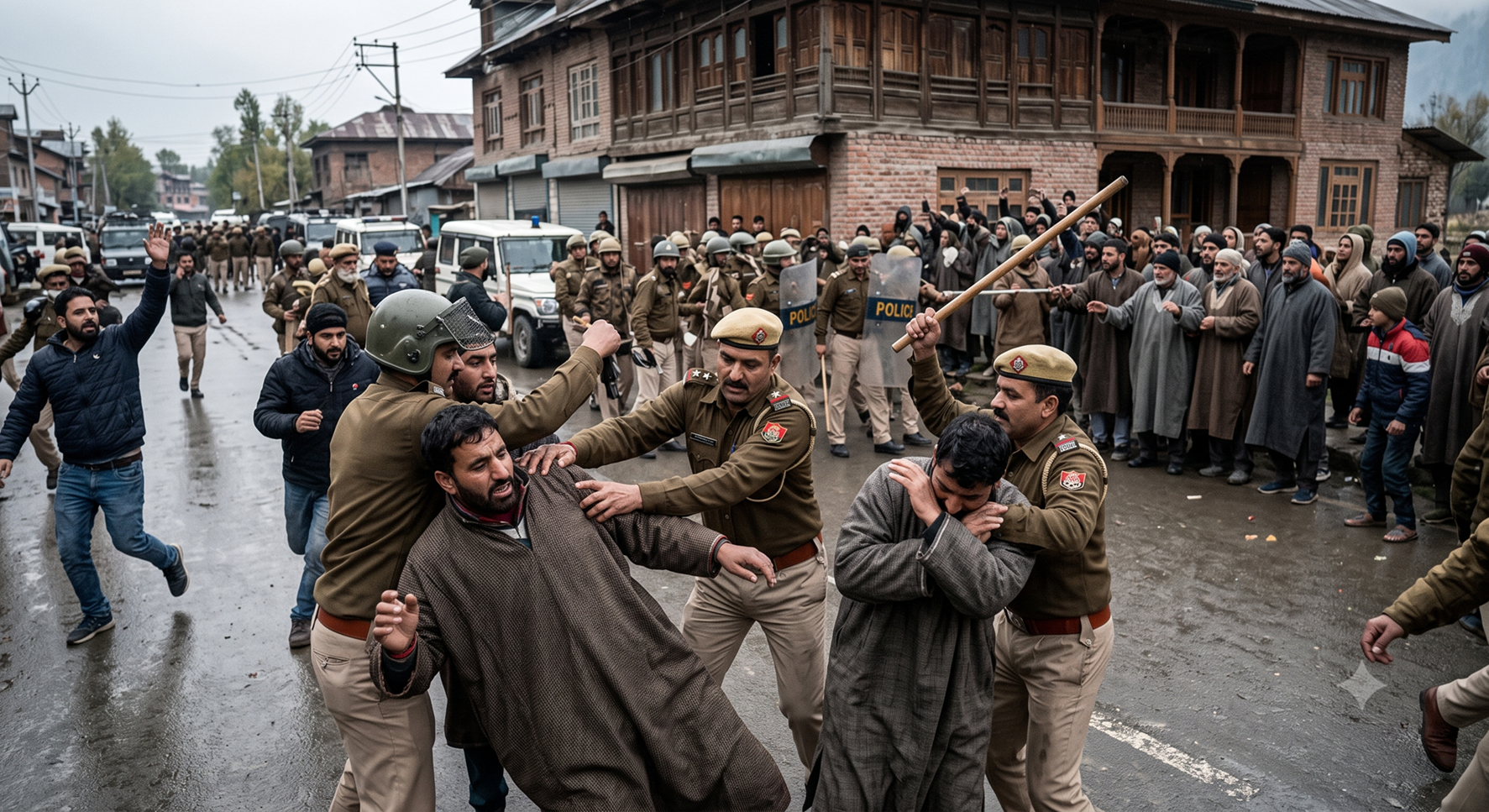
- Excessive Use of Force: The widespread use of pellet-firing shotguns by security forces to disperse crowds has resulted in permanent blindness and severe facial injuries for thousands of civilians, including children.
- Arbitrary Detentions and Enforced Disappearances: Thousands of activists, political figures, students, and journalists have faced long-term detention without formal charges. Local rights groups estimate that thousands of individuals have disappeared since 1989, leaving behind a legacy of “half-widows” and unresolved grief.
- Extrajudicial Killings: Human rights groups frequently point to “staged encounters,” where civilians are allegedly misidentified as militants during cordon-and-search operations.
- Curbs on Free Expression: Independent journalism in the valley has faced severe pressure. Raids on media offices, travel bans, and the arrest of prominent journalists and human rights defenders under anti-terror legislation have sharply constrained local reporting.
The United Nations Stance
The United Nations has maintained an active file on the Jammu and Kashmir dispute for over seven decades.
UNSC Resolution 47 (1948): The United Nations Security Council mandates that the final disposition of the state of Jammu and Kashmir must be decided through a free, fair, and impartial plebiscite conducted under UN auspices to determine the will of the Kashmiri people.
However, the required conditions for the plebiscite—most notably the synchronized demilitarization of the region by both India and Pakistan—were never fulfilled. Consequently, the vote never occurred.
In recent years, the UN’s focus has evolved from territorial mediation toward monitoring human rights conditions. The UN High Commissioner for Human Rights released landmark reports detailing structural impunity and calling for international investigations into abuses on both sides of the Line of Control. In international forums, the UN Security Council periodically reaffirms Kashmir as an unresolved agenda item, urging peaceful bilateral dialogue while emphasizing adherence to international law and the UN Charter.
The Present Situation and Military Governance
The contemporary landscape of Indian-administered Jammu and Kashmir changed fundamentally on August 5, 2019, when the Indian Parliament revoked Article 370. This legislative action stripped the region of its special autonomous status and split the state into two separate, federally controlled Union Territories: Jammu & Kashmir, and Ladakh.
August 2019: Article 370 Revoked
│
├──> Autonomy Stripped
└──> Bifurcated into 2 Union Territories (J&K and Ladakh)
The present reality in the territory is defined by a dual dynamic of tight security management and gradual local political processes:
- Security Architecture: Security forces maintain an extensive footprint throughout towns and rural areas to suppress dissent and deter cross-border militancy. Checkpoints, intensive surveillance networks, and preemptive communication shutdowns remain active operational tools.
- Demographic and Land Shifts: New domicile laws introduced after 2019 allow non-locals to purchase land and qualify for government employment. Local residents express deep anxiety that these measures are designed to alter the demographic character of India’s only Muslim-majority territory.
- Local Political Resistance: While India highlights infrastructure spending, tourism growth, and regional integration as signs of stability, local political leadership challenges this narrative. Newly elected local officials continue to push back against the federal administration, publicly demanding the full restoration of statehood and opposing attempts by federal entities to alter constituencies or political boundaries.
The calm maintained on the surface remains highly contingent on the persistent, heavy presence of security forces, leaving the underlying political grievances of the population largely unaddressed.
For further analysis on the diplomatic discussions surrounding this region, you can watch India Tears Into Pakistan at UN Over Kashmir. This video details the sharp diplomatic exchanges and formal arguments presented by state representatives at the United Nations regarding the territory’s sovereignty.