Democratic Turkiye and situation of Human rights

Democratic Turkiye and situation of Human rights

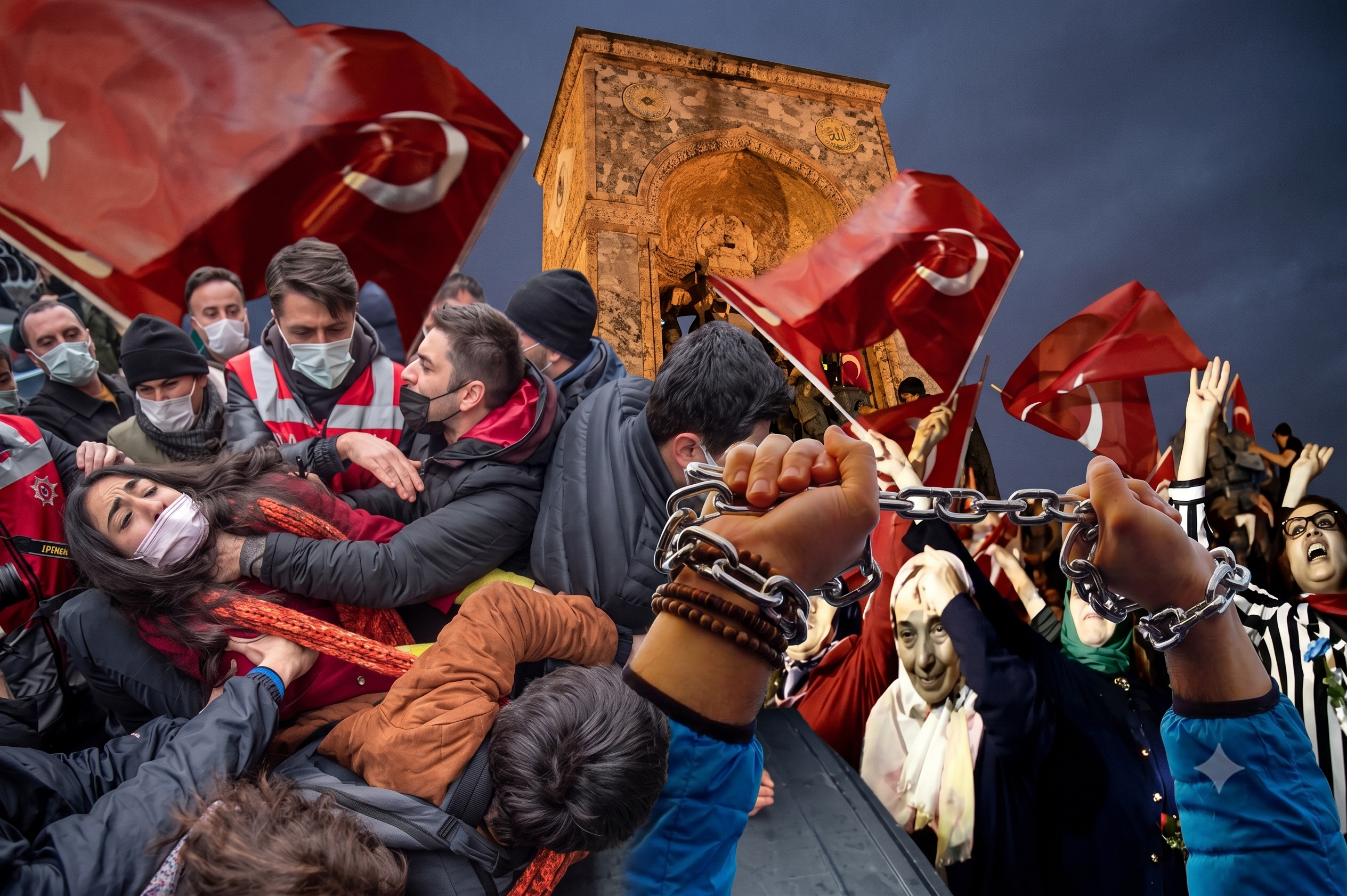
The human rights situation in Türkiye remains highly strained, characterized by a deep executive concentration of power, systemic restrictions on civil liberties, and an accelerating crackdown on both political opposition and independent media.

According to major monitoring bodies, including Human Rights Watch, Amnesty International, and Freedom House, the country continues to face severe democratic backsliding.

1. Political Crackdown and Electoral Integrity

The political landscape has seen unprecedented moves against the primary opposition. A pivotal shift occurred with the arrest and detention of Istanbul Mayor Ekrem İmamoğlu, a key figure in the Republican People’s Party (CHP) and a leading potential presidential challenger. He faces over 140 charges, with prosecutors seeking staggering prison sentences.

Alongside high-profile arrests, the government has increasingly used the administrative mechanism of appointing state trustees to replace democratically elected local mayors a practice that previously targeted pro-Kurdish parties (like the DEM Party) but has expanded heavily to CHP-controlled municipalities.

2. Freedom of Expression and Digital Censorship

Türkiye ranks near the bottom of international press freedom indices ( out of 180 countries in the World Press Freedom Index).

  • Media Controls: Independent journalists face persistent prosecutions, fines via the state broadcasting watchdog (RTÜK), and baseline anti-state or “disinformation” charges for critical coverage.
  • Digital Censorship: Social media throttling and platform-wide blocks are common. The government routinely orders content takedowns, blocks major political figures’ accounts, and has even extended bans to emerging technologies, such as restricting access to major AI conversational tools and chatbots on platforms like X.

3. Judicial Independence and Rule of Law

The independence of the judiciary has severely eroded. Turkish courts frequently resist or ignore binding decisions issued by its own Constitutional Court as well as international bodies like the European Court of Human Rights (ECtHR). Türkiye holds the largest pending caseload before the ECtHR, making up over a third of the court’s total global backlog.

Broadly formulated anti-terrorism laws continue to be used as a primary catch-all to target dissidents, journalists, lawyers, and human rights defenders. Over a decade after the 2016 coup attempt, mass trials and investigations regarding alleged links to banned movements continue on a large scale.

4. Detention Conditions and Prison Overcrowding

Türkiye’s prison population has hit historic peaks, outstripping official facility capacity by over 40%. This severe overcrowding has led to deteriorated conditions, with independent monitoring groups raising serious alerts regarding:

  • Widespread medical neglect of elderly or chronically ill inmates.
  • The continued use of prolonged pretrial detentions as a form of summary punishment.
  • Documented cases of ill-treatment and arbitrary disciplinary measures inside facilities.

5. Vulnerable Groups, Labor, and Civil Society

  • Women’s Rights: Following Türkiye’s withdrawal from the Istanbul Convention, domestic violence and femicide remain severe systemic crises. Activists face aggressive policing, blockades on public assemblies, and high-profile detentions during peaceful protests.
  • Refugees: Hostility and hate speech directed at Syrian and other migrant populations have risen, accompanied by administrative hurdles and localized pushbacks.
  • Labor Rights: Weak enforcement of occupational safety standards contributes to high workplace mortality rates, with over 2,000 fatal occupational accidents recorded annually, alongside persistent concerns over undocumented child labor.

Transnational Repression: International observers highlight that Ankara’s human rights policies extend beyond its borders, utilizing diplomatic missions and security agreements to pursue, extradite, or cancel the passports of Turkish dissidents living abroad.
Human rights situation in Tanzania The human rights landscape in Tanzania has faced unprecedented strain

Human rights situation in Tanzania: The human rights landscape in Tanzania has faced unprecedented strain

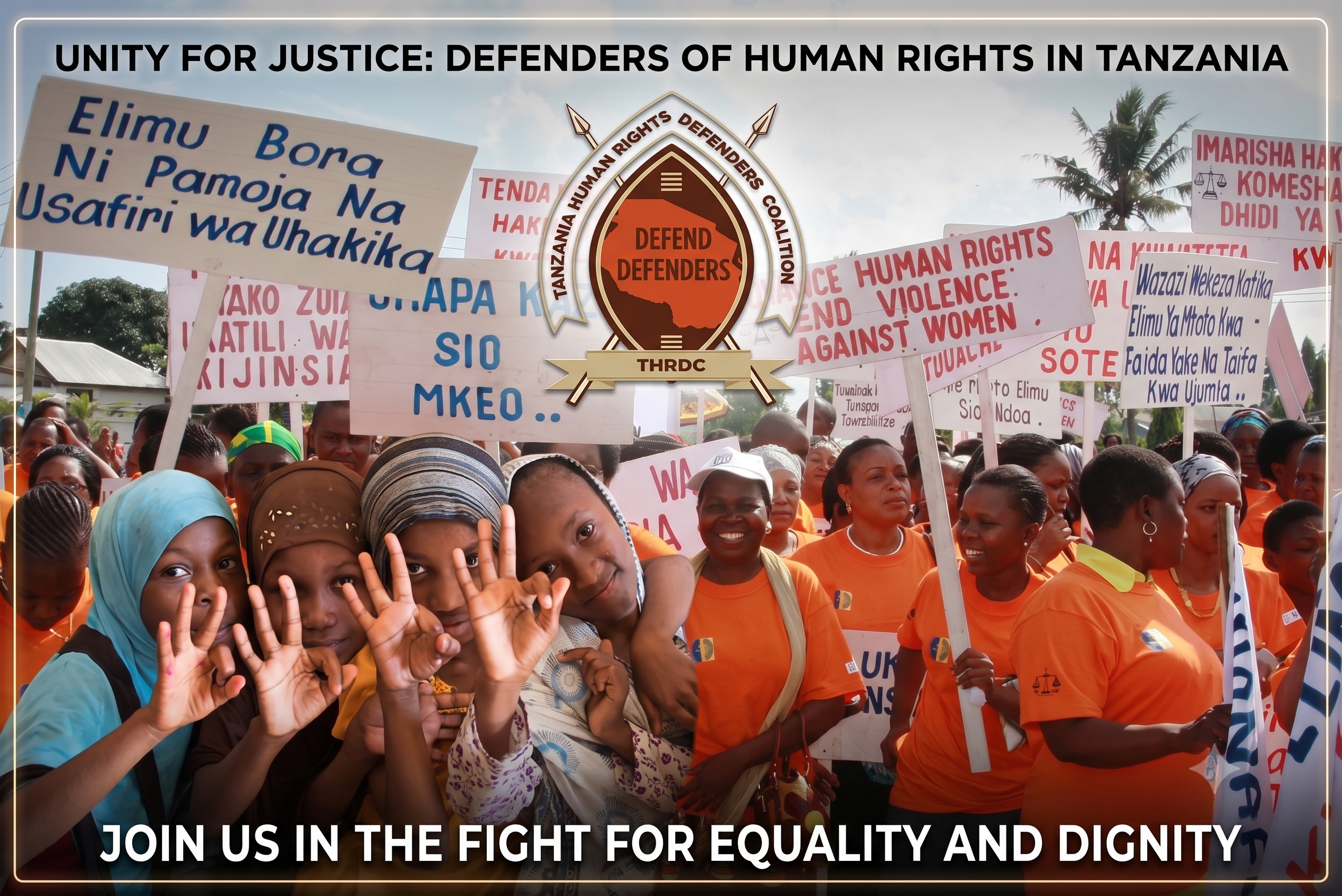
The human rights landscape in Tanzania has faced unprecedented strain, marked by structural rollbacks in civic space and extreme security measures. Despite early promises of reform and political opening under President Samia Suluhu Hassan, international watchdogs, including Amnesty International, Human Rights Watch, and the United Nations, have documented a sharp escalation in systemic violations.

The crisis reached its peak during the highly disputed late 2025 general election period and its subsequent aftermath, resulting in what many international observers classify as the worst civic crackdown in modern Tanzanian history.

1. The Post-Election Crackdown and Extrajudicial Killings

The core driver of the current human rights crisis stems from the late 2025 electoral cycle. Following declarations of a sweeping 98% victory for the ruling Chama Cha Mapinduzi (CCM) party, nationwide demonstrations erupted against what opposition factions termed a “sham election” (Wikipedia)

The state’s response was swift and heavy-handed:

  • Lethal Force against Protesters: The UN Human Rights Office (OHCHR) and Amnesty International documented that security forces specifically the Field Force Unit—frequently deployed live ammunition and tear gas against both active demonstrators and unarmed bystanders
  • Casualties and Mass Graves: Independent reports suggest hundreds of individuals were killed and thousands injured. The UN raised alarms over credible accounts of security forces systematically removing bodies from streets and public mortuaries to undisclosed locations, sparking widespread allegations of mass graves and targeted cover-ups.
  • Enforced Disappearances: In the months surrounding the elections, a distinct pattern of enforced disappearances emerged. Prominent opposition figures, such as Chadema official Ali Mohamed Kibao (who was later found dead, showing signs of severe torture), alongside mid-level organizers like Deusdedith Soka and Jacob Godwin Mlay, were abducted by suspected plainclothes state security agents.

2. Decimation of Political Opposition

The space for legitimate political pluralism has functionally collapsed due to legal and extrajudicial maneuvers designed to paralyze opposition structures:

  • Treason Charges and Arbitrary Detention: Tundu Lissu, the leader of the primary opposition party Chadema, was arrested and subjected to non-bailable treason charges after calling for election boycotts. Hundreds of additional party delegates and youth members were arbitrarily detained in mass sweeps.
  • Institutional Disqualification: The Independent National Electoral Commission (INEC) instituted sweeping bans on key opposition parties, blocking Chadema from participating in elections through 2030 based on code-of-conduct technicalities.
  • Torture in Custody: Documented cases highlight severe physical abuse, prolonged incommunicado detention, and sexual violence inflicted on political detainees abandoned in remote areas or subjected to illegal cross-border deportations.

3. Suppression of Press Freedom and Digital Rights

To restrict the flow of independent information during the post-election violence, the government implemented aggressive digital censorship and legislative tools, primarily through the Tanzania Communications Regulatory Authority (TCRA) and the Cybercrimes Act:

  • Total Internet Blackouts: Major digital communication channels, including X (formerly Twitter), Telegram, and Clubhouse, were throttled or entirely blocked during peak unrest to prevent the documentation of human rights abuses.
  • Mass Site Closures: The TCRA shut down more than 80,000 websites, blogs, and online platforms under the broad banner of protecting public morality and filtering “unethical content.”
  • Media Intimidation: Prominent whistleblowing forums, such as JamiiForums, faced multi-month suspensions for hosting public discourse critical of the executive branch. Independent news channels were forced to delete broadcast footage covering human rights abuses under direct government mandates.

4. Forced Displacement of Indigenous Communities

Beyond political spheres, the state continues to enforce highly controversial conservation policies that directly infringe on the rights of Indigenous peoples.

Ngorongoro Conservation Area (NCA) Relocation Framework:

In the Ngorongoro Conservation Area (NCA), the government has systematically cut off funding to local schools, health clinics, and essential services while banning crop cultivation and livestock grazing. These maneuvers are widely viewed by human rights organizations as a coordinated campaign to force the Indigenous Maasai people off their ancestral lands to clear the area for luxury safari tourism and trophy hunting. Peaceful protests organized by tens of thousands of Maasai herders have historically been met with severe security crackdowns, forced evictions, and arbitrary arrests.

The Path Ahead: International bodies, including the UN Human Rights Council and the African Commission on Human Rights, continue to call for an immediate, independent international inquiry into the 2025–2026 electoral violence, the restoration of constitutional protections for assembly, and accountability for security officials operating with systemic impunity.

Disclaimer: few references are noted from the Wikipedia, African commission on human and peoples rights, Freedon House andHuman rights Watch.