Democratic Turkiye and situation of Human rights
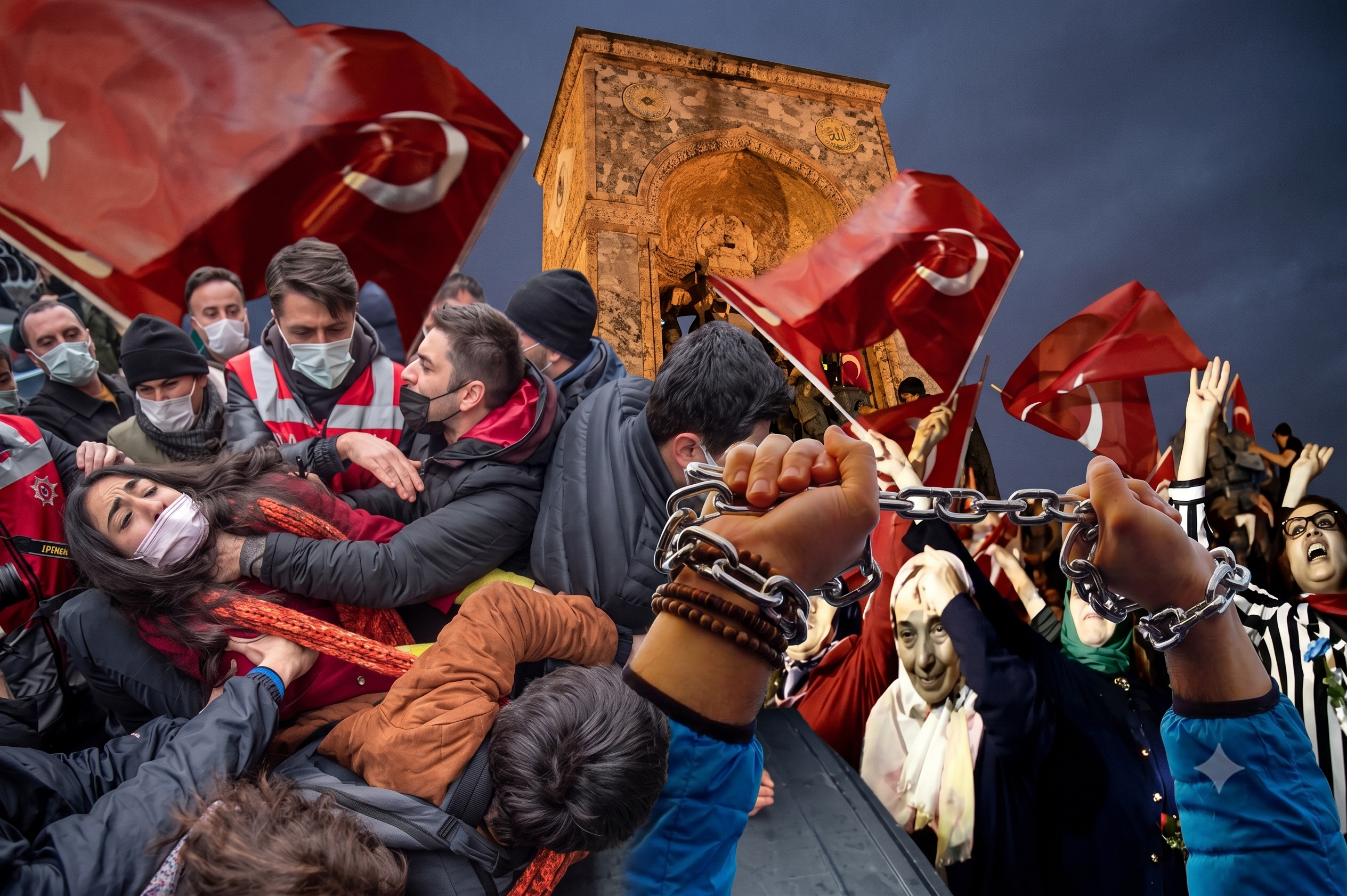
The human rights situation in Türkiye remains highly strained, characterized by a deep executive concentration of power, systemic restrictions on civil liberties, and an accelerating crackdown on both political opposition and independent media.
According to major monitoring bodies, including Human Rights Watch, Amnesty International, and Freedom House, the country continues to face severe democratic backsliding.
1. Political Crackdown and Electoral Integrity
The political landscape has seen unprecedented moves against the primary opposition. A pivotal shift occurred with the arrest and detention of Istanbul Mayor Ekrem İmamoğlu, a key figure in the Republican People’s Party (CHP) and a leading potential presidential challenger. He faces over 140 charges, with prosecutors seeking staggering prison sentences.
Alongside high-profile arrests, the government has increasingly used the administrative mechanism of appointing state trustees to replace democratically elected local mayors a practice that previously targeted pro-Kurdish parties (like the DEM Party) but has expanded heavily to CHP-controlled municipalities.
2. Freedom of Expression and Digital Censorship
Türkiye ranks near the bottom of international press freedom indices ( out of 180 countries in the World Press Freedom Index).
- Media Controls: Independent journalists face persistent prosecutions, fines via the state broadcasting watchdog (RTÜK), and baseline anti-state or “disinformation” charges for critical coverage.
- Digital Censorship: Social media throttling and platform-wide blocks are common. The government routinely orders content takedowns, blocks major political figures’ accounts, and has even extended bans to emerging technologies, such as restricting access to major AI conversational tools and chatbots on platforms like X.
3. Judicial Independence and Rule of Law
The independence of the judiciary has severely eroded. Turkish courts frequently resist or ignore binding decisions issued by its own Constitutional Court as well as international bodies like the European Court of Human Rights (ECtHR). Türkiye holds the largest pending caseload before the ECtHR, making up over a third of the court’s total global backlog.
Broadly formulated anti-terrorism laws continue to be used as a primary catch-all to target dissidents, journalists, lawyers, and human rights defenders. Over a decade after the 2016 coup attempt, mass trials and investigations regarding alleged links to banned movements continue on a large scale.
4. Detention Conditions and Prison Overcrowding
Türkiye’s prison population has hit historic peaks, outstripping official facility capacity by over 40%. This severe overcrowding has led to deteriorated conditions, with independent monitoring groups raising serious alerts regarding:
- Widespread medical neglect of elderly or chronically ill inmates.
- The continued use of prolonged pretrial detentions as a form of summary punishment.
- Documented cases of ill-treatment and arbitrary disciplinary measures inside facilities.
5. Vulnerable Groups, Labor, and Civil Society
- Women’s Rights: Following Türkiye’s withdrawal from the Istanbul Convention, domestic violence and femicide remain severe systemic crises. Activists face aggressive policing, blockades on public assemblies, and high-profile detentions during peaceful protests.
- Refugees: Hostility and hate speech directed at Syrian and other migrant populations have risen, accompanied by administrative hurdles and localized pushbacks.
- Labor Rights: Weak enforcement of occupational safety standards contributes to high workplace mortality rates, with over 2,000 fatal occupational accidents recorded annually, alongside persistent concerns over undocumented child labor.
Transnational Repression: International observers highlight that Ankara’s human rights policies extend beyond its borders, utilizing diplomatic missions and security agreements to pursue, extradite, or cancel the passports of Turkish dissidents living abroad.