انسانیت خون بہہ رہی ہے: پاکستان کا اقتدار، حقوق اور وفاق کا بحران
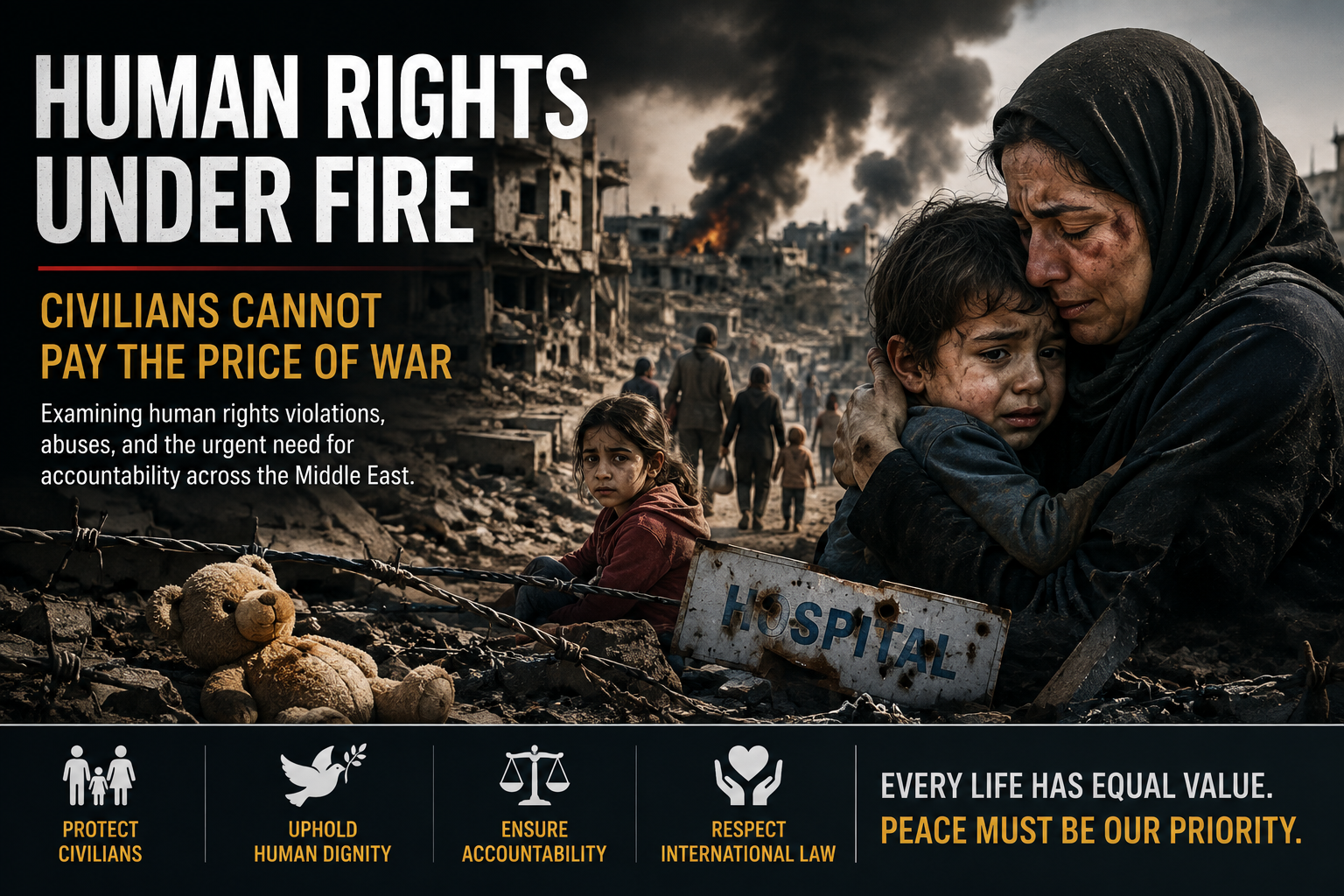
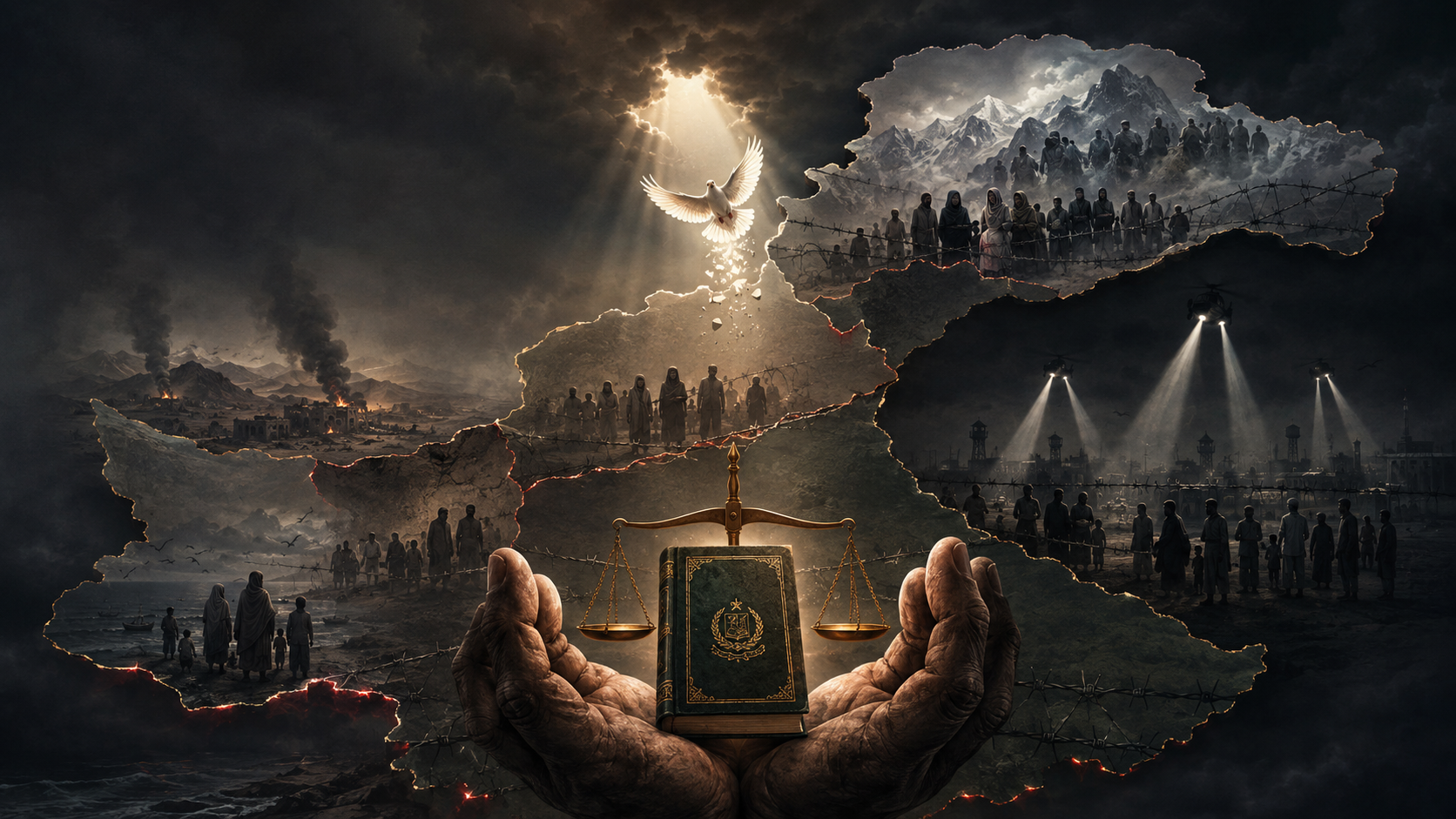
پاکستان صرف سیاسی عدم استحکام کے ایک اور دور سے نہیں گزر رہا ہے۔ یہ آئینی حکومت، قومی ہم آہنگی اور انسانی وقار کے ایک گہرے بحران کا سامنا کر رہا ہے۔ بلوچستان سے لے کر خیبر پختونخوا تک، اور گلگت بلتستان اور آزاد جموں و کشمیر سے لے کر سندھ اور پنجاب تک، شہری تیزی سے محسوس کر رہے ہیں کہ ان کے آئینی حقوق مشروط ہیں — اور ریاست صرف تب سنتی ہے جب لوگ خاموش رہتے ہیں۔
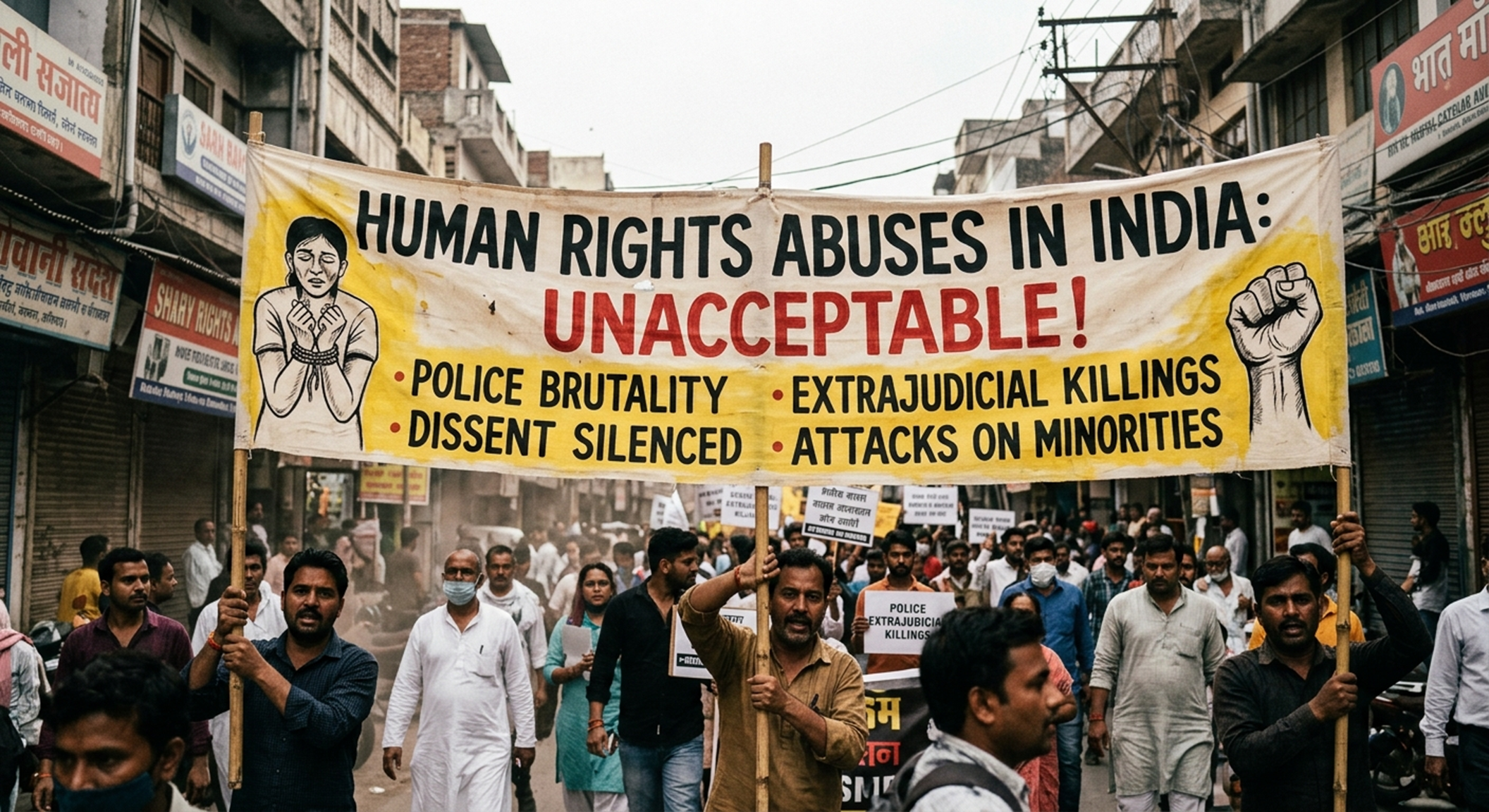
انسانی حقوق کمیشن آف پاکستان کی تازہ ترین سالانہ رپورٹ شہری جگہ میں شدید کمی، عدالتی آزادی میں کمزوری، اظہار رائے پر پابندیوں اور صحافیوں، سیاسی کارکنوں، کارکنوں اور وکلاء کے خلاف قانونی اور ادارہ جاتی طریقہ کار کے بڑھتے ہوئے استعمال کو بیان کرتی ہے۔ یہ جبری گمشدگیوں، من مانی نظربندی، ماورائے عدالت ہلاکتوں اور اجتماعی سزا کے جاری الزامات کو بھی ریکارڈ کرتی ہے۔ یہ صرف جماعتی الزامات نہیں ہیں۔ یہ پاکستان کی سب سے زیادہ قائم شدہ آزاد انسانی حقوق تنظیموں میں سے ایک کی طرف سے وارننگ ہیں۔ HRCP: State of Human Rights in 2025
جمہوری ڈھانچہ جمہوری اختیار کے بغیر
پاکستان میں اب بھی جمہوریت کا بیرونی ڈھانچہ موجود ہے: ایک پارلیمنٹ، انتخابات، عدالتیں، سیاسی جماعتیں، کمیشن اور ایک تحریری آئین۔ پھر بھی ادارے جمہوریت کی حفاظت نہیں کر سکتے جب ان کی آزادی سے سمجھوتہ کیا جائے یا جب اہم فیصلے منتخب نمائندوں کے اختیار سے باہر کیے جاتے دکھائی دیں۔
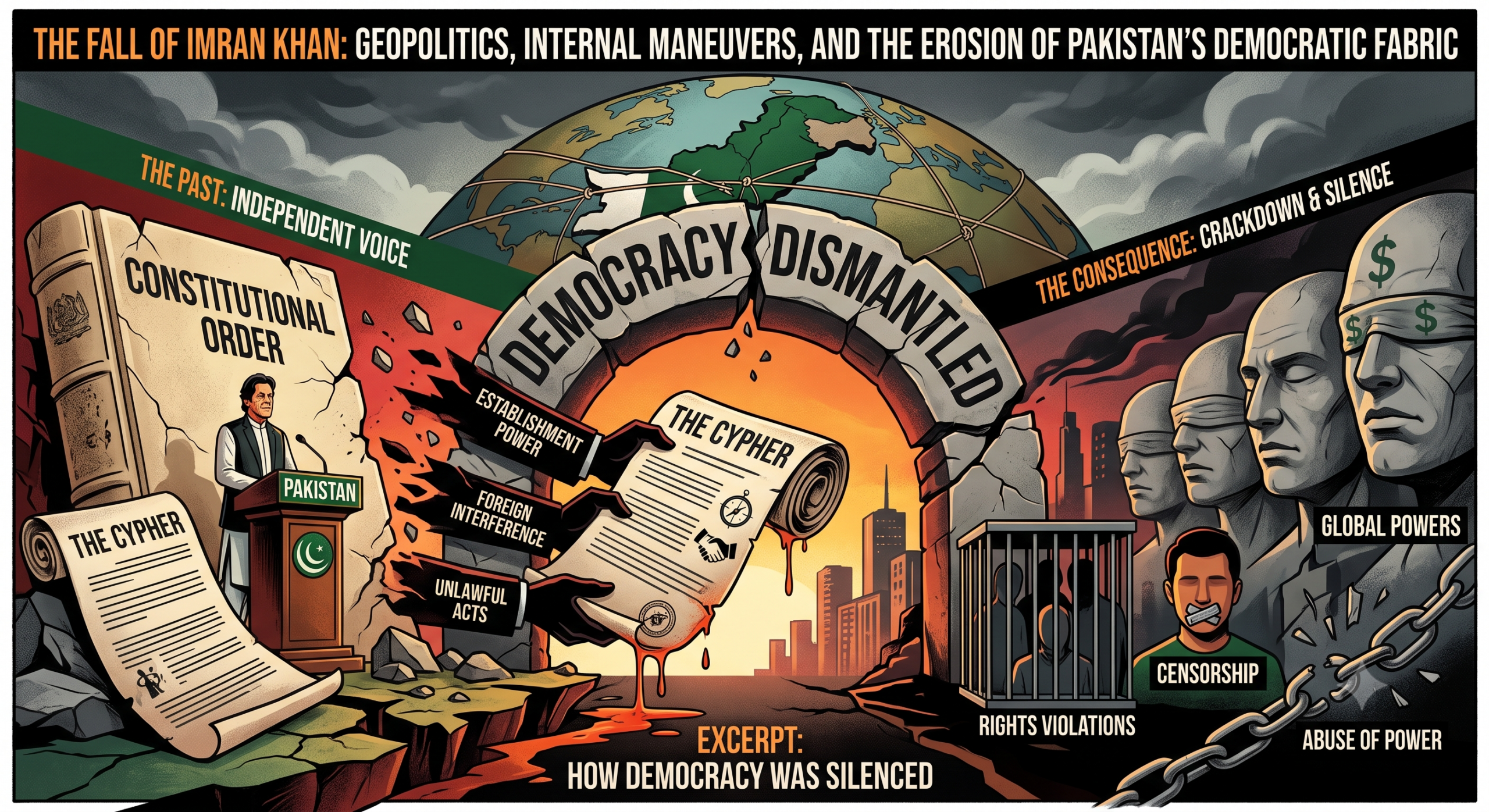
نتیجتاً "ہائبرڈ حکومت" کی اصطلاح پاکستان کی سیاسی لغت کا حصہ بن گئی ہے۔ یہ ایک ایسے نظام کو بیان کرتا ہے جس میں ایک سویلین انتظامیہ رسمی طور پر حکومت کرتی ہے جبکہ غیر منتخب ادارے پس پردہ فیصلہ کن اثر و رسوخ استعمال کرتے ہوئے سمجھے جاتے ہیں۔
فروری 2024 کے عام انتخابات کے گرد گھومنے والے جائزیت کے بحران کو کبھی بھی مناسب طور پر حل نہیں کیا گیا۔ ریاست ہائے متحدہ امریکہ اور یورپی یونین نے اظہار رائے، انجمن سازی اور پرامن اجتماع پر پابندیوں، کھیل کے میدان کی عدم موجودگی اور انتخابی دن پر موبائل سروسز کی معطلی کے بارے میں تشویش کا اظہار کیا۔ پاکستان کی حکومت اور الیکشن کمیشن نے منظم ہیرا پھیری کے الزامات کو مسترد کر دیا، لیکن عوامی عدم اعتماد کو سرکاری انکار سے ختم نہیں کیا جا سکتا۔ اس کے لیے شفاف تحقیقات، آزاد عدالتیں اور قابل تصدیق انتخابی ریکارڈ کی ضرورت ہے۔
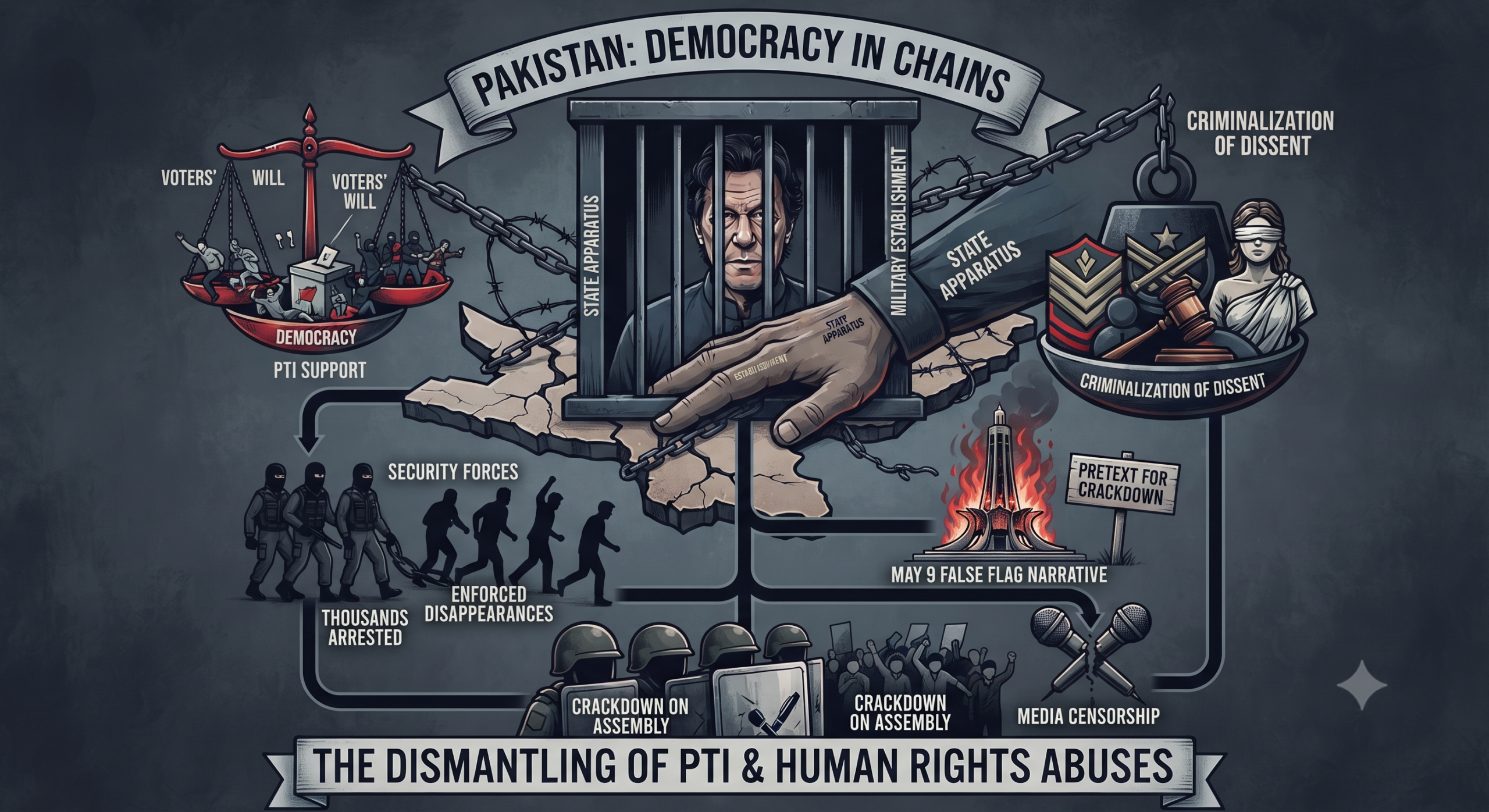
جب ووٹوں پر تنازعہ ہو، اپوزیشن رہنما قید ہوں، سیاسی کارکنوں پر بڑے پیمانے پر مقدمات چلائے جائیں، ٹی وی کوریج کو کنٹرول کیا جائے اور ڈیجیٹل تقریر سے مجرمانہ الزامات عائد ہو سکتے ہیں، تو جمہوری حکومت انتظامی کنٹرول کی طرح نظر آنے لگتی ہے۔
بلوچستان: تشدد سیاسی شکایات کو حل نہیں کر سکتا
بلوچستان جبر کی جگہ سیاست کی جگہ لینے کے نتائج کی سب سے المناک مثال ہے۔
صوبے کو مسلح علیحدگی پسند گروہوں کے مہلک حملوں کا سامنا کرنا پڑا ہے، جن میں شہریوں اور سیکورٹی اہلکاروں پر حملے شامل ہیں۔ اس تشدد کی بلا کسی شرط کے مذمت کی جانی چاہیے۔ کسی بھی سیاسی شکایت کا جواز عام مسافروں، بچوں، مزدوروں یا دیگر بے گناہ لوگوں کو قتل کرنا نہیں ہو سکتا۔
لیکن دہشت گردی کو پوری آبادی کو خاموش کرانے کے لیے ایک وسیع جواز کے طور پر استعمال نہیں کیا جا سکتا۔ بلوچ خاندان برسوں سے جبری گمشدگیوں کے بارے میں جوابات کا مطالبہ کر رہے ہیں۔ پرامن مظاہرین کو گرفتاریوں، سڑکوں کی بندش، انٹرنیٹ شٹ ڈاؤن اور انسداد دہشت گردی کے الزامات کا سامنا کرنا پڑا ہے۔ ایمنسٹی انٹرنیشنل نے بلوچ کارکنوں پر 2025 کے کریک ڈاؤن کو جبری نظر بندی، غیر قانونی طاقت کے استعمال اور پرامن اسمبلی پر حملوں پر مشتمل قرار دیا۔ ایمنسٹی انٹرنیشنل
پرامن حقوق کے وکلاء کی گرفتاری اور مسلسل مقدمہ چلانا ایک خطرناک پیغام بھیجتا ہے: کہ آئینی احتجاج انصاف کے حصول کا کوئی بامعنی راستہ پیش نہیں کرتا۔ جب پرامن سیاسی جگہ بند ہو جاتی ہے، تو عسکریت پسند تنظیموں کو مزاحمت کی واحد باقی ماندہ شکل کے طور پر خود کو پیش کرنے کا موقع مل جاتا ہے۔
بلوچستان کو اجتماعی سزا کی ضرورت نہیں ہے۔ اسے لاپتہ افراد کے بارے میں سچائی، قانونی تحقیقات، جوابدہ پولیسنگ، سیاسی مذاکرات، وسائل پر مقامی کنٹرول اور اس یقین دہانی کی ضرورت ہے کہ اس کے شہری وفاق کے برابر رکن ہیں۔
خیبر پختونخوا: شہری عسکریت اور عسکریت پسندی کے درمیان پھنسے ہوئے
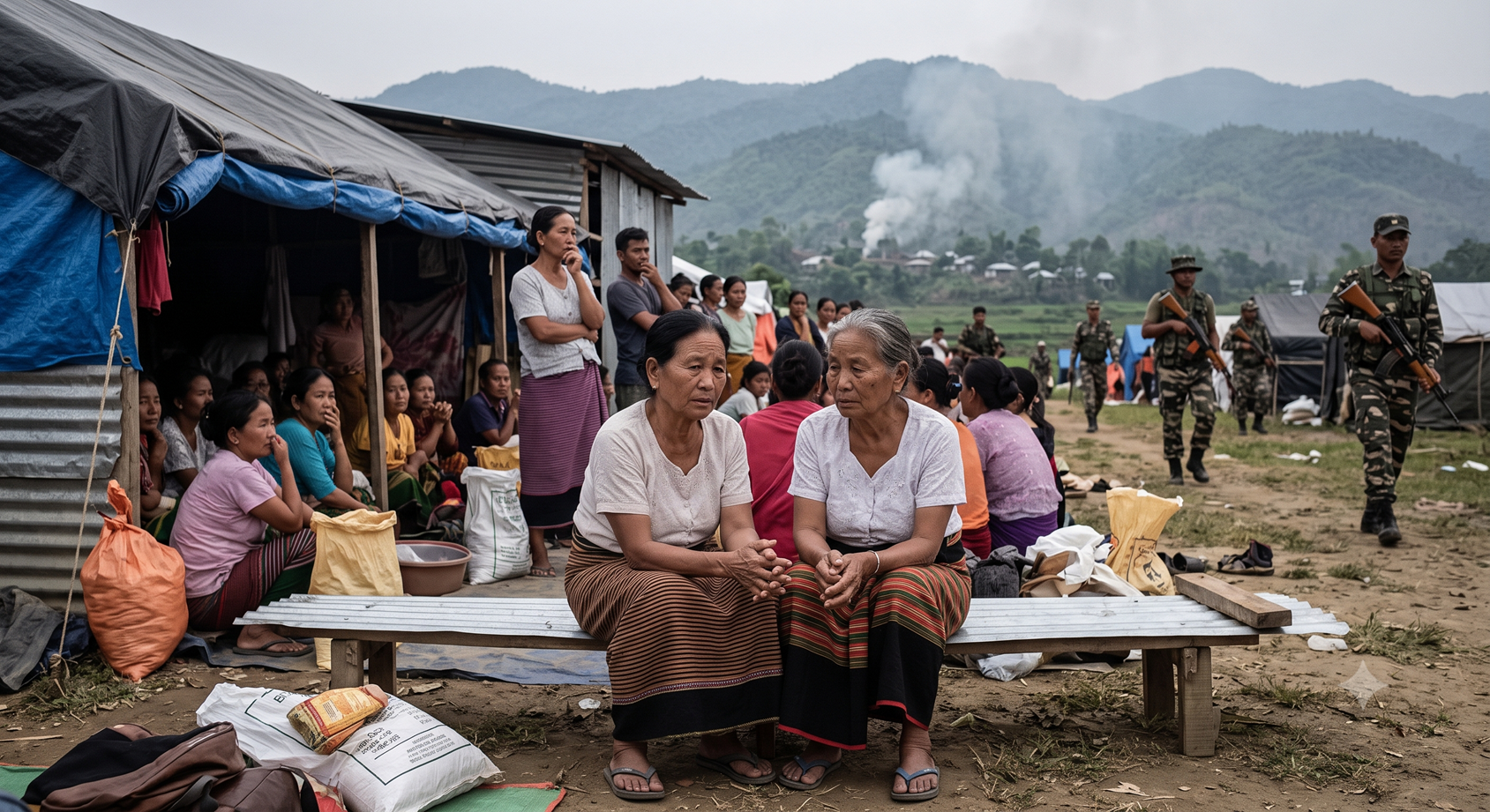
خیبر پختونخوا ایک بار پھر عسکریت پسند تنظیموں اور ریاست کے درمیان میدان جنگ بن گیا ہے۔ پولیس اہلکاروں، فوجیوں، کمیونٹی کے بزرگوں، بچوں اور عام شہریوں سب نے ایک خوفناک قیمت ادا کی ہے۔
ریاست پر فرض ہے کہ وہ شہریوں کو تحریک طالبان پاکستان اور دیگر پرتشدد گروہوں سے محفوظ رکھے۔ تاہم، انسداد دہشت گردی کے آپریشنز کو آئین اور بین الاقوامی انسانی معیارات کے تابع رہنا چاہیے۔ ایمنسٹی انٹرنیشنل نے رپورٹ کیا کہ 2025 کے پہلے نصف میں خیبر پختونخوا میں ڈرون حملوں میں کم از کم 17 افراد ہلاک ہوئے، جن میں پانچ بچے بھی شامل تھے۔ اس نے شہریوں کی ہلاکتوں کی ذمہ داری کے بارے میں فوری، آزاد اور شفاف تحقیقات کا مطالبہ کیا۔ خیبر پختونخوا میں شہریوں کو پہنچنے والے نقصان پر ایمنسٹی انٹرنیشنل
سابق قبائلی اضلاع کے لوگوں نے پہلے ہی بے گھر ہونے، تباہ شدہ معاش، عسکریت پسندوں کی بربریت اور بار بار فوجی کارروائیوں کا سامنا کیا ہے۔ ان سے شفافیت، معاوضے، بحالی اور سیاسی شرکت کے بغیر ایک اور نسل کی قربانی دینے کا مطالبہ نہیں کیا جانا چاہیے۔
سلامتی کو صرف کنٹرول شدہ علاقے یا مارے گئے عسکریت پسندوں سے نہیں ناپا جا سکتا۔ اسے اس بات سے بھی ناپا جانا چاہیے کہ آیا کوئی بچہ اسکول جا سکتا ہے، آیا کوئی خاندان گھر واپس آ سکتا ہے اور آیا شہری کسی آپریشن پر سوال اٹھا سکتے ہیں بغیر غدار کہلائے۔
گلگت بلتستان، کشمیر اور سندھ: شکایات کو تنازعات میں بدلنے کی اجازت نہیں ہونی چاہیے
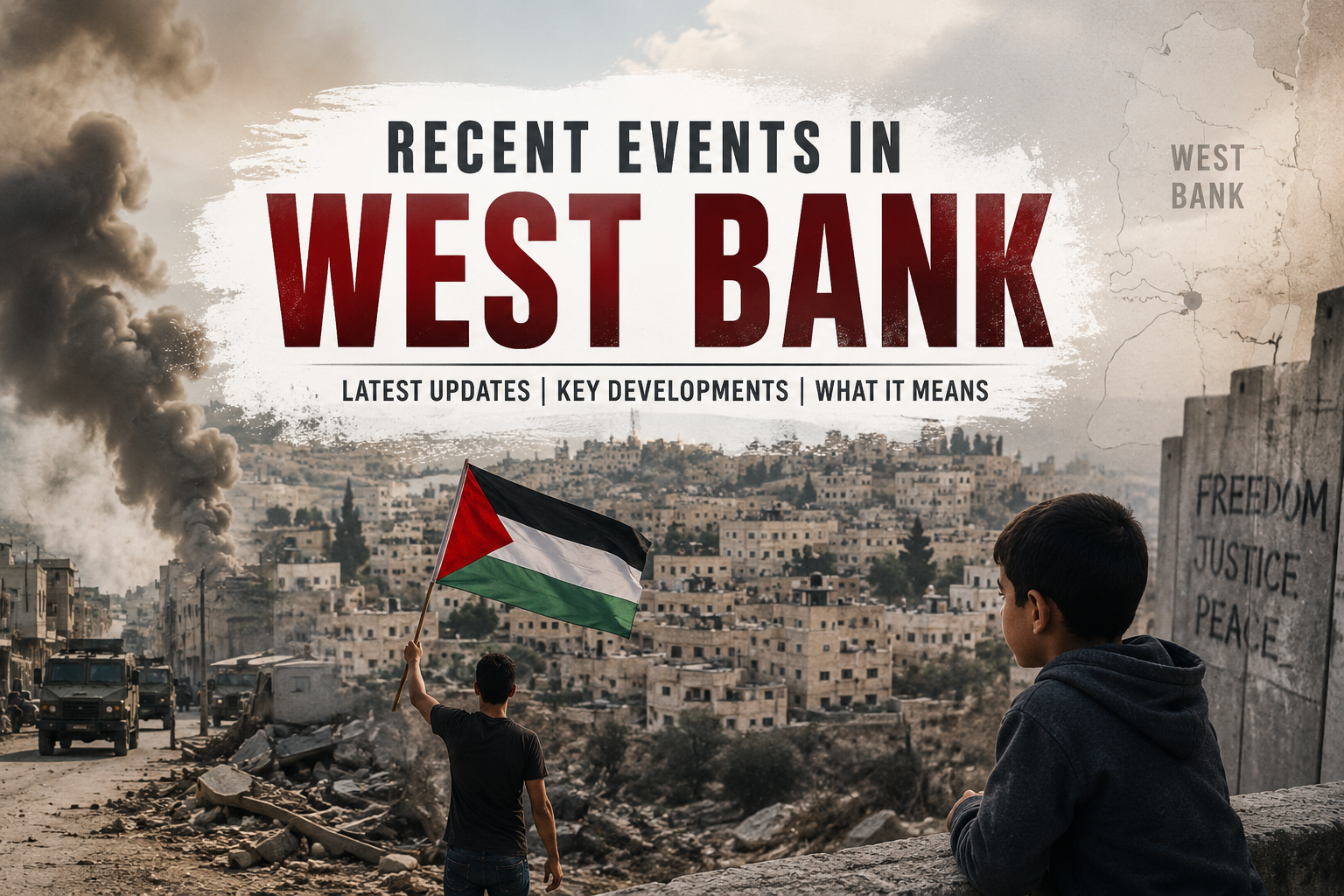
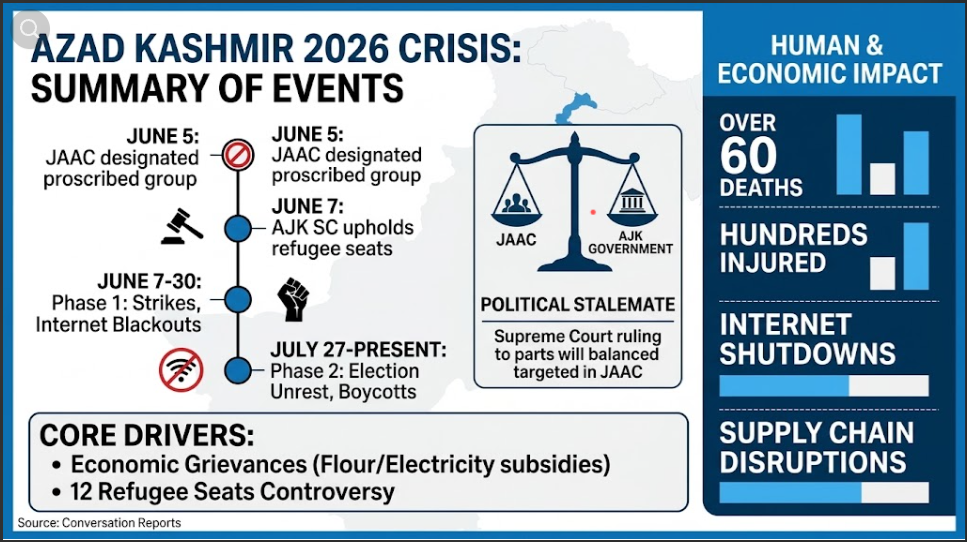
گلگت بلتستان اور آزاد جموں و کشمیر میں عوامی غصہ اقتصادی مشکلات، آئینی غیر یقینی صورتحال، سیاسی نمائندگی، قدرتی وسائل اور بنیادی ضروریات کی قیمتوں کے گرد بڑھ گیا ہے۔ ہر احتجاج کو سلامتی کے خطرے کے طور پر دیکھنا قابل انتظام سیاسی تنازعات کو مستقل علیحدگی میں بدلنے کا خطرہ مول لیتا ہے۔
سندھ میں جبری گمشدگیوں، زمین اور پانی پر کنٹرول، وسائل کے نکالنے، آبادیاتی دباؤ اور صوبائی خودمختاری کے کمزور ہونے کے بارے میں گہری تشویشات بھی موجود ہیں۔ اگر نامعلوم یا "چھپے ہوئے" عناصر نسلی تقسیم کو ہوا دینے کی کوشش کر رہے ہیں، تو اس کا جواب زیادہ رازداری نہیں ہے۔ یہ شفافیت، آئینی حکومت اور آزاد تحقیقات ہے۔
ریاست کو کبھی بھی سیاسی انجینئرنگ، منظم بدامنی یا انتخابی جبر کو کسی حکومت کی مدت کو طول دینے کے لیے آلات کے طور پر استعمال کرنے کی اجازت نہیں دینی چاہیے۔ تاہم، یہ دعوے کہ مخصوص ادارے یا غیر ملکی طاقتیں جان بوجھ کر بدامنی پیدا کر رہی ہیں، قابل اعتبار، آزادانہ طور پر قابل تصدیق ثبوت کا تقاضا کرتے ہیں۔ ایسے الزامات کو قائم شدہ حقائق کے طور پر دہرانے کے بجائے تحقیقات کی جانی چاہئیں۔
جو پہلے سے قائم کیا جا سکتا ہے وہ یہ ہے کہ غیر حل شدہ شکایات، ادارہ جاتی مداخلت اور ضرورت سے زیادہ طاقت بالکل وہی ماحول پیدا کرتی ہے جس میں سازش، عسکریت پسندی اور علیحدگی پروان چڑھتی ہے۔
پنجاب کا جبری سکون
پنجاب کے نسبتاً سکون کو خود بخود جمہوری استحکام کے طور پر نہیں سمجھا جانا چاہیے۔ پاکستان کا سب سے زیادہ آبادی والا اور سیاسی طور پر فیصلہ کن صوبہ ہونے کے ناطے، پنجاب تاریخی طور پر وفاقی حکومتوں کے بقا کے لیے مرکزی رہا ہے۔ یہ پرانا مقولہ کہ جو پنجاب کو کنٹرول کرتا ہے وہ پاکستان کو کنٹرول کرتا ہے، سیاسی معنی رکھتا ہے۔
لیکن گرفتاریوں، دھمکیوں، میڈیا پر پابندیوں، سیاسی اخراج اور خوف کے ذریعے برقرار رکھی گئی امن حقیقی امن نہیں ہے۔ یہ جبری خاموشی ہے۔
ہیومن رائٹس واچ نے رپورٹ کیا کہ پاکستانی حکام نے 2025 کے دوران میڈیا، اپوزیشن اور سول سوسائٹی پر پابندیوں کے ذریعے اختلاف رائے کو دبایا۔ صحافیوں کو ہراساں کرنے، گرفتاریوں، گمشدگیوں اور جسمانی حملوں کا سامنا کرنا پڑا، جبکہ الیکٹرانک کرائمز پریوینشن ایکٹ کے تحت سینکڑوں مقدمات درج کیے گئے۔ ہیومن رائٹس واچ: پاکستان—2025 کے واقعات
پنجاب سیاسی طور پر غالب نہیں رہ سکتا جبکہ جمہوری طور پر محدود ہو۔ نہ ہی وفاق مستحکم رہ سکتا ہے اگر ایک صوبے میں امن کہیں اور تشدد یا محرومی پر منحصر ہو۔
بین الاقوامی خاموشی اور اسٹریٹجک مفادات
مغربی حکومتیں اکثر جمہوریت اور انسانی حقوق کے بارے میں بات کرتی ہیں، پھر بھی پاکستان کے ساتھ ان کے تعلقات اکثر سلامتی کے تعاون، علاقائی حکمت عملی، تجارت اور جغرافیائی سیاسی سہولت سے چلتے رہے ہیں۔
یہ دعویٰ کرنے کے لیے ثبوت درکار ہوں گے کہ مغربی طاقتیں پاکستان کی اندرونی جبر کی ہدایت کر رہی ہیں۔ لیکن یہ سوال کرنا مناسب ہے کہ آیا ان کی انتخابی تنقید — اور معمول کے اسٹریٹجک تعلقات کو جاری رکھنے کی آمادگی — آمرانہ رویے کی بین الاقوامی قیمت کو کم کرتی ہے۔
غیر ملکی حکومتوں کو پاکستان پر وہی معیارات لاگو کرنے چاہئیں جو وہ دوسری جگہوں پر عوامی طور پر اختیار کرتے ہیں۔ سلامتی کے تعاون کو جبری گمشدگیوں، سیاسی قیدیوں، میڈیا پر پابندیوں، شہریوں کے فوجی مقدمات یا پرامن مظاہرین پر حملوں کو نظر انداز کرنے کا بہانہ نہیں بننا چاہیے۔
تاہم، پاکستان کے حکمران ذمہ داری بیرون ملک منتقل نہیں کر سکتے۔ پاکستان کے لوگوں کی حفاظت کا بنیادی فرض پاکستان کی اپنی حکومت، پارلیمنٹ، عدلیہ، سلامتی کے اداروں اور سیاسی قیادت کا ہے۔
جب ادارے لوگوں کی بجائے طاقت کی خدمت کرتے ہیں
پارلیمنٹ کا مطلب ختم ہو جاتا ہے جب وہ صرف کہیں اور کیے گئے فیصلوں کی منظوری دیتی ہے۔ عدالتیں اپنا اختیار کھو دیتی ہیں جب شہریوں کا خیال ہوتا ہے کہ انصاف سیاسی وابستگی پر منحصر ہے۔ انتخابات کی ساکھ ختم ہو جاتی ہے جب جیتنے والے ووٹ ڈالنے کے بعد منتخب ہوتے نظر آتے ہیں۔ انسانی حقوق کے ادارے اپنا مقصد کھو دیتے ہیں جب وہ خلاف ورزیوں کو دستاویز کرتے ہیں لیکن متاثرین کا تحفظ نہیں کر سکتے۔
دہشت گردی کے قوانین کا ہدف دہشت گرد ہونے چاہئیں - نہ کہ پرامن مظاہرین، بچے، صحافی یا سیاسی مخالفین۔ فوجی عدالتوں کو شہریوں کے لیے عام عدالتی نظام کی جگہ نہیں لینی چاہیے۔ انٹرنیٹ شٹ ڈاؤن کو واقعات چھپانے یا سیاسی تنظیم کو روکنے کے لیے استعمال نہیں کیا جانا چاہیے۔ جبری گمشدگی کو ایک سنگین جرم سمجھا جانا چاہیے، چاہے اسے کوئی بھی کرے اور کوئی بھی جواز پیش کیا جائے۔
پاکستان کو جبری گمشدگیوں، ماورائے عدالت ہلاکتوں، عسکریت پسند تنظیموں کے حملوں اور سلامتی آپریشنز کے دوران ہونے والے جانی نقصان کا احاطہ کرنے والے ایک آزاد سچائی اور احتساب کے عمل کی بھی ضرورت ہے۔ ہر صوبے کے متاثرین کو بغیر کسی امتیاز کے شناخت اور تدارک کا حق ہے۔
انسانیت کو طاقت سے پہلے آنا چاہیے
پاکستان کو طاقت کے بل بوتے پر غیر معینہ مدت تک نہیں رکھا جا سکتا۔ ایک وفاق اس وقت زندہ رہتا ہے جب اس کے لوگ یقین رکھتے ہیں کہ آئین ان کی برابر حفاظت کرتا ہے، ان کے ووٹوں کی کوئی اہمیت ہے اور ان کی شکایات بغیر خوف کے سنی جا سکتی ہیں۔
آگے کا راستہ نہ تو عسکریت پسندی ہے اور نہ ہی آمرانہ کنٹرول۔ یہ آئینی سول حکومت کی بحالی، حقیقی آزادانہ انتخابات، عدالتی آزادی، پریس کی آزادی، سلامتی کی پالیسی پر پارلیمانی نگرانی اور پسماندہ علاقوں کے ساتھ بامعنی بات چیت ہے۔
ہر قتل ہونے والا شہری، گمشدہ طالب علم، خاموش کرایا گیا صحافی، قید سیاسی کارکن اور بے گھر خاندان انفرادی المیے سے زیادہ کی نمائندگی کرتا ہے۔ ہر ایک اس ریاست کا ثبوت ہے جو اپنے آئینی وعدے سے مزید دور جا رہی ہے۔
پاکستان کا سب سے بڑا خطرہ تنقید نہیں ہے۔ یہ ایک ایسا نظام ہے جو تنقید کو بغاوت، سیاسی شرکت کو بغاوت اور انسانی زندگی کو قربانی کے قابل سمجھتا ہے۔
آج، پاکستان بھر میں انسانیت لہولہان ہے۔ جو لوگ طاقت کے ارتکاز سے فائدہ اٹھاتے ہیں وہ یقین کر سکتے ہیں کہ جبر ان کے اقتدار کو بچا سکتا ہے۔ تاریخ اس کے برعکس سکھاتی ہے: طاقت کچھ وقت کے لیے خاموشی مسلط کر سکتی ہے، لیکن یہ جواز پیدا نہیں کر سکتی، تقسیم شدہ وفاق کو ٹھیک نہیں کر سکتی یا انصاف کے مطالبے کو ختم نہیں کر سکتی۔
کوئی شخص، جماعت یا ادارہ پاکستان سے بڑا نہیں ہے - اور پاکستان کا کوئی بھی نظریہ قابل دفاع نہیں ہے اگر اسے برقرار رکھنے کے لیے انسانیت کی قربانی دینی پڑے۔