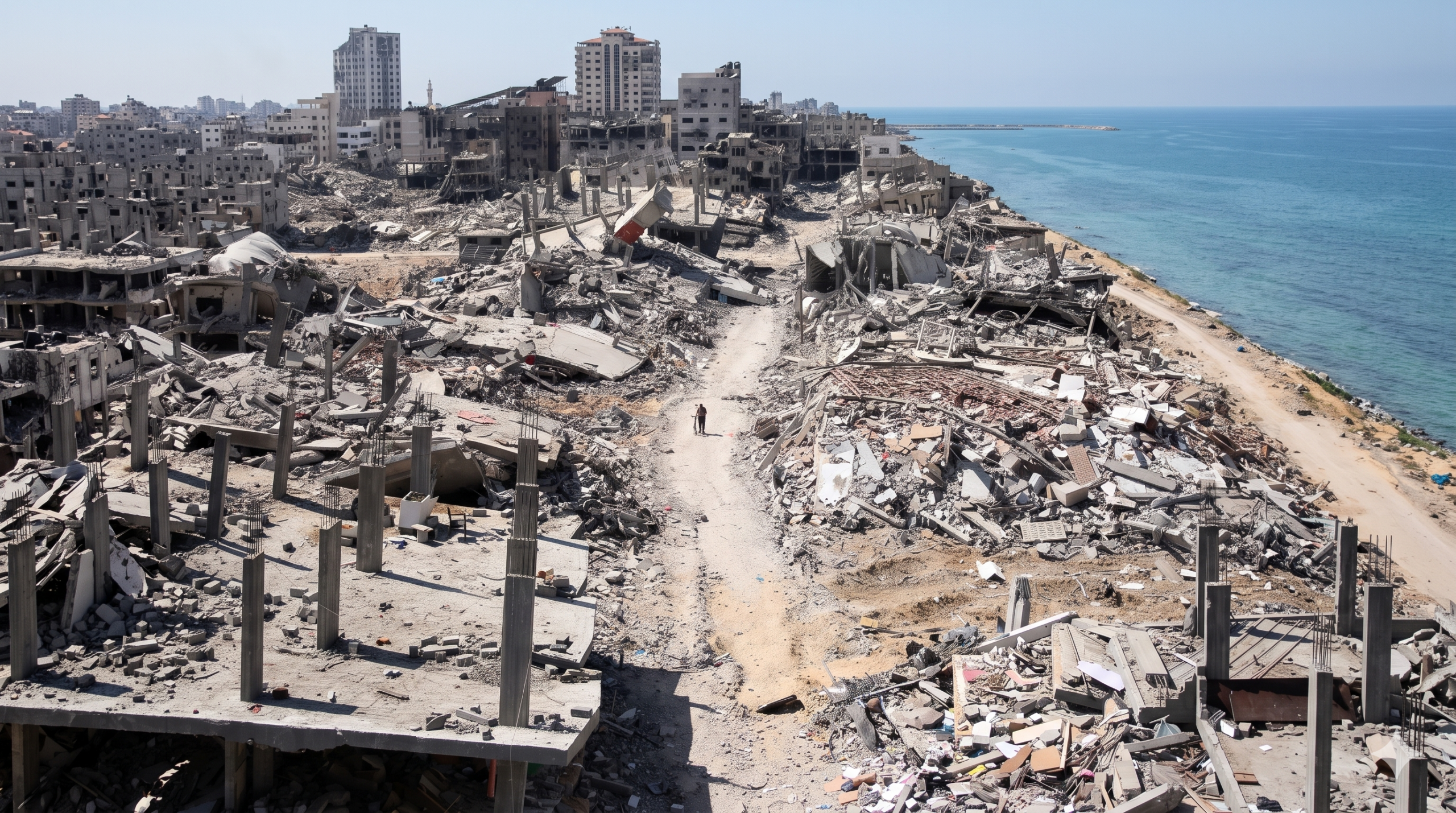
Documenting Severe Human Rights Violations in the Gaza Strip
The human rights situation in the Gaza Strip has been a focal point of international law, humanitarian concern, and systematic monitoring by the United Nations and global legal bodies. Examining these events through the framework of International Human Rights Law (IHRL) and International Humanitarian Law (IHL) reveals two distinct eras of systemic violations.
Part 1: The Foundations of Displacement and Blockade (1967–2023)
Following the 1967 Six-Day War, Israel assumed total control over the Gaza Strip, establishing a military occupation that fundamentally reshaped civilian life. Human rights monitoring throughout this multi-decade period highlights consecutive legal and physical architectures that suppressed the local population’s rights.
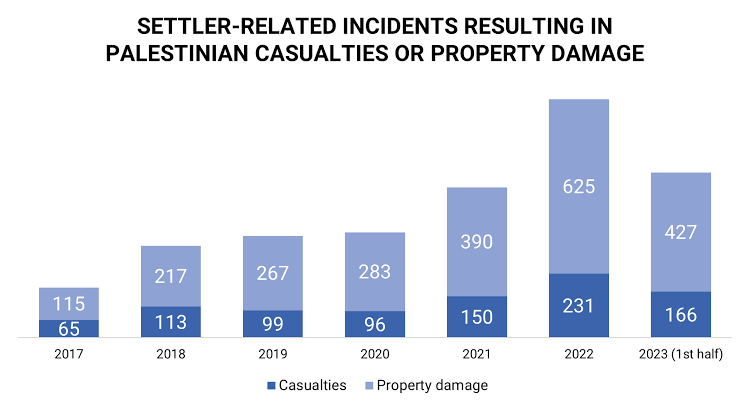
- Land Confiscation and Settler Expansion: From 1967 until the unilateral disengagement in 2005, the Israeli military seized large tracts of agricultural land to build ideological settlements and security buffer zones. This systematically displaced thousands of families, violating Article 49 of the Fourth Geneva Convention, which prohibits an occupying power from transferring its civilian population into occupied territory.
- The 2007 Blockade and Structural Asphyxiation: Following the rise of Hamas to power in 2007, Israel imposed a comprehensive land, air, and sea blockade. The UN repeatedly categorized this blockade as a form of collective punishment, a direct violation of Article 33 of the Fourth Geneva Convention. Over 16 years, the blockade destroyed Gaza’s economy, contaminated its water supply, and created an ongoing humanitarian crisis.
- Asymmetric Military Offensives: Major military operations, including Operation Cast Lead (2008–2009), Operation Pillar of Defense (2012), and Operation Protective Edge (2014) resulted in disproportionate civilian casualties. Independent UN fact-finding missions documented widespread patterns of arbitrary destruction, precision strikes on residential infrastructure, and the unlawful use of white phosphorus in densely populated civilian quarters.
- Crushing Civil Dissent: During the 2018–2019 Great March of Return protests along the perimeter fence, Israeli forces deployed live ammunition against largely unarmed demonstrators. A UN Commission of Inquiry found that snipers intentionally targeted medical personnel, journalists, and children, actions constituting potential war crimes under the Rome Statute.
Part 2: Total Warfare, Mass Destruction, and Legal Rulings (October 2023–Present)
The military onslaught unleashed after the October 7, 2023 Hamas-led attacks marked a catastrophic escalation, shifting from a policy of containment to total warfare and widespread destruction.
As of now 73,000+ Palestinians Killed, 173,000+ Palestinians Injured and 90%+ Population Displaced (Data compiled from UN OCHA and regional health reporting bodies)
The Weaponization of Deprivation and Atrocity Crimes
Human rights bodies, including Amnesty International and Human Rights Watch have detailed systemic atrocities that carry severe legal implications:
- Deliberate Starvation as a Method of War: By severing water pipelines, turning off electrical grids, and heavily restricting humanitarian aid convoys, a severe man-made famine was induced. The International Criminal Court (ICC) subsequently issued arrest warrants for senior Israeli leadership, citing the starvation of civilians as a war crime and crime against humanity.
- Systemic Forced Displacement: Up to 90% of Gaza’s population has been forcibly moved, often multiple times, under military evacuation orders. Human rights organizations classify this system of forced transfer as a mechanism of ethnic cleansing.
- Annihilation of Essential Infrastructure: Combat engineers and heavy airstrikes have damaged or destroyed over 60% of all buildings in Gaza, systematically wiping out universities, residential neighborhoods, and the entire medical infrastructure.
- Targeting of Vulnerable Demographics: A definitive UN Commission of Inquiry report confirmed that Israeli security forces systematically targeted Palestinian children, noting that over 20,000 children have been killed, leading to declarations of war crimes and genocide.
Global Legal Intervention
The scale of the atrocities triggered historic intervention by international courts:
In a case brought forward by South Africa, the International Court of Justice (ICJ) issued binding provisional measures, ordering Israel to halt actions that fall within the scope of the 1948 Genocide Convention. Furthermore, a permanent ceasefire agreement finally reduced the immediate scale of daily bombardments, but human rights agencies stress that without systemic accountability for the decade-spanning occupation, lasting justice remains out of reach.
#GazaStrip #Palestine #Israel #MiddleEastHistory #OccupiedTerritories #HumanRights #InternationalHumanitarianLaw #WarCrimes #GenevaConvention #CollectivePunishment #ICJ #ICC #GazaBlockade #GreatMarchOfReturn #GazaWar2023 #GazaConflict #HumanitarianCrisis #CivilianCasualties #ForcedDisplacement #UnitedNations #AmnestyInternational