







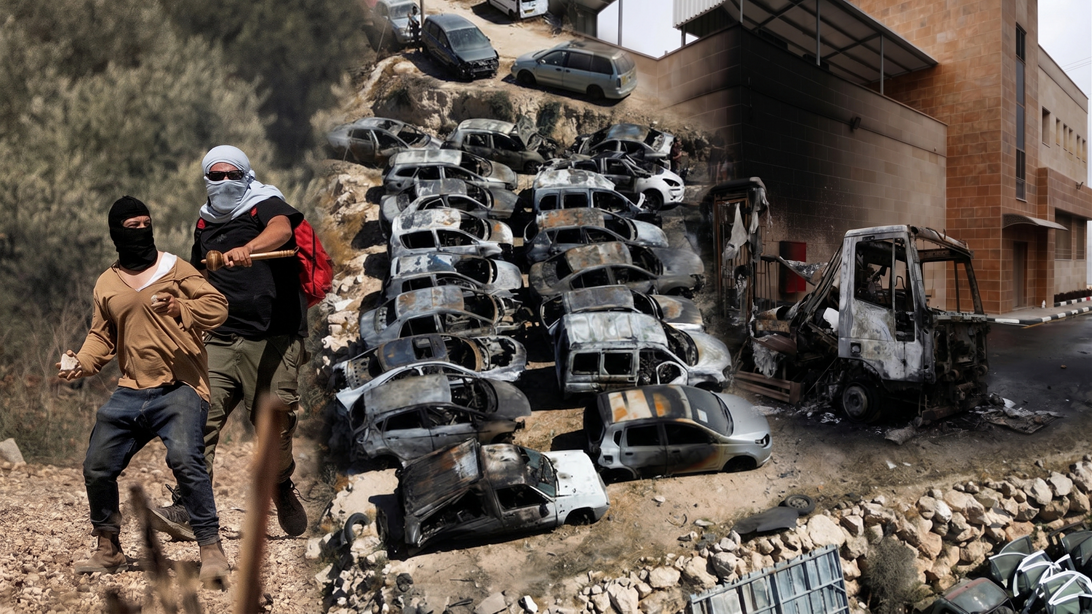

کیا اب بھی سام دشمنی درست ہے: فلسطینیوں کے خلاف اسرائیلی حکومت اور آباد کاروں کی بربریت کا تصور
مقبوضہ فلسطینی علاقے میں تشدد، بے دخلی اور انسانی حقوق کی خلاف ورزیوں میں اضافہ نے وسیع بین الاقوامی تشویش کو جنم دیا ہے۔ انسانی حقوق کی تنظیموں، جن میں ایمنسٹی انٹرنیشنل اور اقوام متحدہ کا انسانی امور کے رابطہ دفتر (OCHA) شامل ہیں، نے آباد کاروں کے تشدد میں اضافے اور فلسطینی برادریوں کی جبری بے دخلی کو بھاری مقدار میں دستاویزی شکل دی ہے۔
مقبوضہ فلسطینی علاقے میں تشدد، بے دخلی اور انسانی حقوق کی خلاف ورزیوں میں اضافہ نے وسیع بین الاقوامی تشویش کو جنم دیا ہے۔ انسانی حقوق کی تنظیموں، جن میں ایمنسٹی انٹرنیشنل اور اقوام متحدہ کا انسانی امور کے رابطہ دفتر (OCHA) شامل ہیں، نے آباد کاروں کے تشدد میں اضافے اور فلسطینی برادریوں کی جبری بے دخلی کو بھاری مقدار میں دستاویزی شکل دی ہے۔
ان مظالم سے نمٹتے وقت، بین الاقوامی انسانی حقوق کے فریم ورک ہولوکاسٹ کی یاد یا دنیا بھر کے یہودی لوگوں کی شناخت سے ریاست اسرائیل کی پالیسیوں اور اقدامات پر تنقید کو الگ کرتے ہیں۔ انسانی حقوق کی وکالت اس بات پر زور دیتی ہے کہ حکومت کو جوابدہ ٹھہرانا نسلی یا مذہبی تعصب سے الگ رہنا چاہیے، اس بات کو یقینی بناتے ہوئے کہ انسانی حقوق کے لیے جدوجہد کو عالمگیر طور پر لاگو کیا جائے بغیر یہود دشمنی کو مضبوط کیے
ذیل کا مضمون مغربی کنارے میں انسانی حقوق کی موجودہ صورتحال اور انسانی قوانین کے تحت بین الاقوامی احتساب کے وسیع تر مطالبے کا جائزہ لیتا ہے۔
انسانی حقوق دباؤ میں: مغربی کنارے میں جبری بے دخلی کا بحران
مقبوضہ مغربی کنارے میں انسانی حقوق کی صورتحال ایک نازک موڑ پر پہنچ گئی ہے۔ بین الاقوامی مبصرین اور انسانی تنظیموں کے مطابق، منظم پالیسیاں اور مقامی تشدد میں اضافہ فلسطینی برادریوں کی بڑے پیمانے پر بے دخلی کا باعث بن رہے ہیں، جس کے لیے بین الاقوامی قانون کی بنیاد پر بین الاقوامی برادری سے ایک متحد اور سخت ردعمل کی ضرورت ہے۔
آباد کاروں کے تشدد اور بے دخلی میں اضافہ
اقوام متحدہ اور انسانی حقوق کے اداروں کی حالیہ رپورٹس اسرائیلی آباد کاروں کی طرف سے فلسطینی چرواہوں اور بدو کمیونٹیز کے خلاف منظم حملوں میں تیزی سے اضافے کی نشاندہی کرتی ہیں، خاص طور پر ایریا سی کے اندر - جو مغربی کنارے کے 60% سے زیادہ پر مشتمل ہے۔
- ریکارڈ واقعات: OCHA کے مطابق، آباد کاروں کے حملے جن کے نتیجے میں جانی نقصان یا املاک کو نقصان پہنچا، غیر معمولی سطح پر پہنچ گئے، روزانہ متعدد واقعات ریکارڈ کیے گئے۔
- جبری منتقلی: ایمنسٹی انٹرنیشنل اور دیگر بین الاقوامی قانونی اداروں نے خبردار کیا ہے کہ مسلسل ہراساں کرنا، زرعی روزگار کی تباہی، اور پانی اور چراگاہوں تک رسائی پر پابندی جنگی جرم کے غیر قانونی جلاوطنی اور جبری منتقلی کے مترادف ہے۔
- انہدام: حکام کی طرف سے رہائشی اور تجارتی ڈھانچے کے انہدام نے ہزاروں خاندانوں کو بے گھر کر دیا ہے، انہیں غربت میں دھکیل دیا ہے اور ان کی طویل مدتی معاشی নিরাপত্তা چھین لی ہے۔
بین الاقوامی قانونی فریم ورک
انسانی حقوق کی تنظیمیں دلیل دیتی ہیں کہ موجودہ صورتحال بین الاقوامی انسانی قانون کے کئی بنیادی اصولوں کی خلاف ورزی کرتی ہے، خاص طور پر چوتھا جنیوا کنونشن، جو قابض طاقت کو اپنی آبادی کے کچھ حصوں کو اس علاقے میں منتقل کرنے سے منع کرتا ہے جس پر وہ قابض ہے، نیز محفوظ افراد کی جبری منتقلی یا جلاوطنی۔
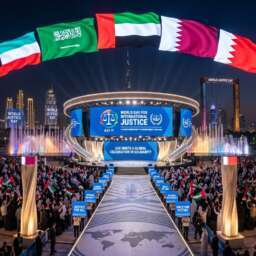
جولائی 2024 میں، بین الاقوامی عدالت انصاف (ICJ) نے ایک مشاورتی رائے جاری کی جس میں مقبوضہ فلسطینی علاقوں میں اسرائیل کی موجودگی کو غیر قانونی قرار دیا گیا، اور کہا گیا کہ اسے جلد از جلد ختم کیا جانا چاہیے۔ یورپی ممالک، بشمول فرانس، نے پرتشدد آباد کاروں کے خلاف منظم پابندیاں عائد کی ہیں اور اسرائیل کی ریاست اور بستیوں سے نکلنے والی مصنوعات کے درمیان فرق کرنے والی پالیسیاں اختیار کی ہیں۔
وکالت کے لیے عالمی فریم ورک
انسانی حقوق کی مؤثر وکالت بین الاقوامی قانون کی عالمگیریت پر منحصر ہے۔ اخلاقی وضاحت کو برقرار رکھنے کے لیے، انسانی حقوق کے محافظ دو الگ اصولوں پر زور دیتے ہیں:
- ریاستی احتساب: حکومتی اقدامات، فوجی کارروائیوں، اور ریاستی منظور شدہ بستیوں کے پھیلاؤ پر تنقید بین الاقوامی نگرانی کا ایک جائز اور ضروری جزو ہے۔
- نفرت انگیز تقریر کے خلاف تحفظ: انسانی حقوق کی وکالت یہود دشمنی اور ہولوکاسٹ جیسی تاریخی مظالم کو کم کرنے کو مسترد کرتی ہے۔ ہولوکاسٹ کی تاریخی حقیقت کا احترام جدید عالمی انسانی حقوق کے فریم ورک کی بنیاد ہے، جو ایسی بڑے پیمانے پر ہونے والی مظالم کو دوبارہ ہونے سے روکنے کے لیے بنایا گیا تھا۔
خلاصہ: عالمی احتساب کے لیے ایک پکار
انسانی ہمدردی کی ایجنسیاں اس بات پر زور دیتی ہیں کہ عالمی حکومتوں کی طرف سے بین الاقوامی قانون کے ٹھوس، متحد نفاذ کے بغیر، بے گھر ہونے کے ساختی محرکات مغربی کنارے کے جغرافیہ کو مستقل طور پر تبدیل کرتے رہیں گے، جس سے دو ریاستی حل کا امکان مزید ناممکن ہو جائے گا۔ شہری آبادیوں کا تحفظ ریاستی اداکاروں پر مسلسل دباؤ کا تقاضا کرتا ہے کہ وہ بین الاقوامی انسانی قانون کے تحت اپنی ذمہ داریوں کو پورا کریں، خطے کے تمام لوگوں کے لیے حفاظت، مساوات اور انصاف کو یقینی بنائیں۔









شامل ہوں!
تبصرے