









اپریل 2022 کی سیاسی تبدیلی کے بعد سے، پاکستان اپنے سب سے زیادہ ہنگامہ خیز ادوار میں سے ایک کا تجربہ کر رہا ہے۔ سابق وزیر اعظم عمران خان کو عدم اعتماد کے ووٹ کے ذریعے ہٹانے سے سول سیاسی دھڑوں کے درمیان ایک طویل تعطل پیدا ہوا، جس کی نگرانی ملک کے فوجی ادارے نے کی ہے۔ جو آئینی جدوجہد کے طور پر شروع ہوا تھا وہ اس میں بدل گیا ہے جسے عالمی نگراں ادارے اختلاف رائے، آزاد میڈیا اور سیاسی اپوزیشن پر شدید کریک ڈاؤن کے طور پر بیان کرتے ہیں۔
سیاسی کریک ڈاؤن اور حریفوں کے خلاف مظالم:
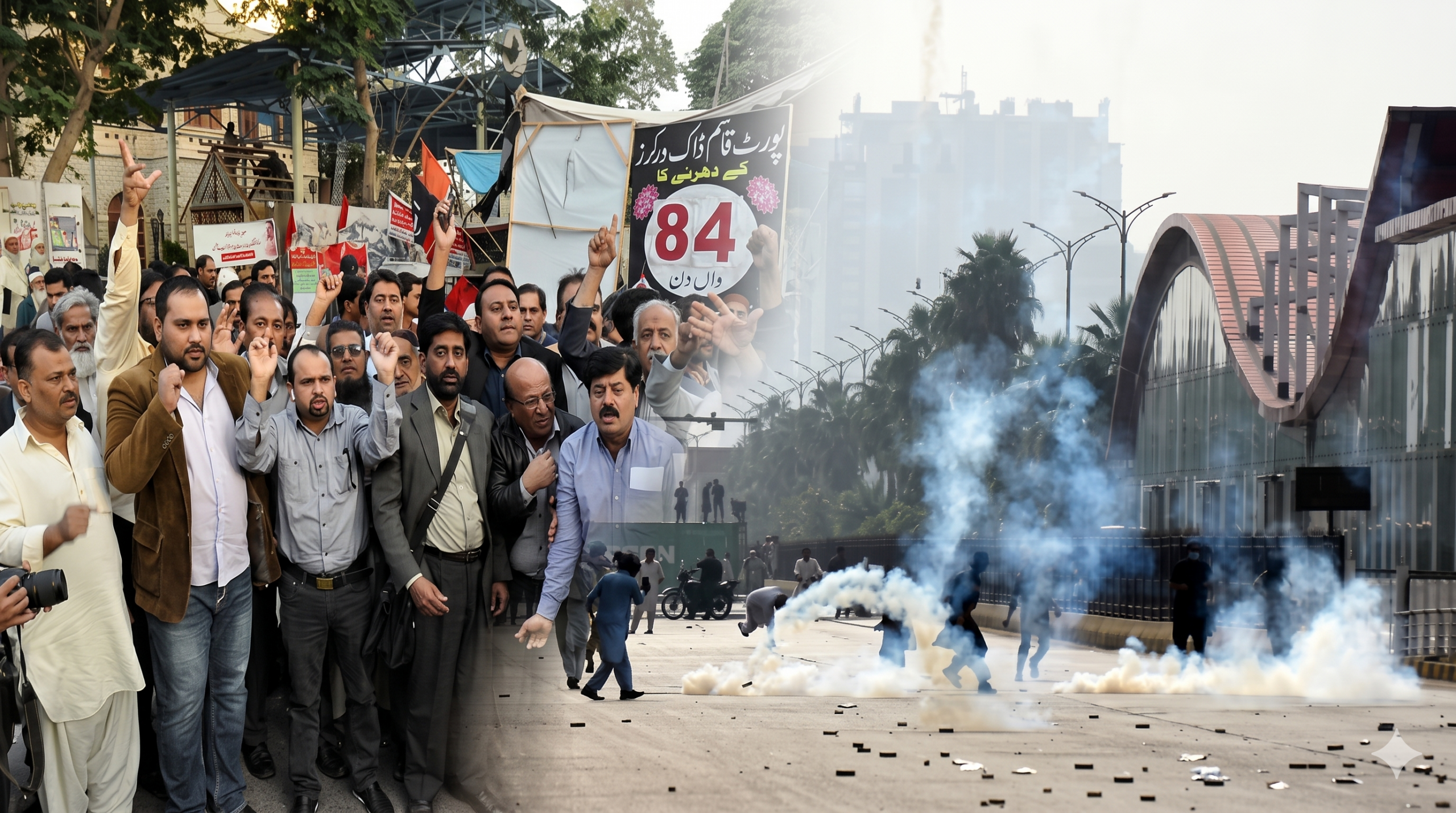
اقتدار سے ہٹائے جانے کے بعد، عمران خان نے قبل از وقت انتخابات کے مطالبے کے لیے بڑے پیمانے پر احتجاجی ریلیوں (جیسے آزادی مارچ) کی قیادت کی۔ 9 مئی 2023 کو پولرائزیشن اپنے عروج پر پہنچ گئی، جب خان کی مختصر گرفتاری نے ملک گیر احتجاج کو ہوا دی، جس کے دوران کچھ مظاہرین نے فوجی تنصیبات کو نشانہ بنایا۔
ریاست کا ردعمل تیز اور وسیع تھا:
- بڑے پیمانے پر نظربندی: خان کی پارٹی، پاکستان تحریک انصاف (پی ٹی آئی) کے ہزاروں کارکنوں اور سینئر رہنماؤں کو انسداد دہشت گردی اور حفاظتی نظربندی کے وسیع قوانین کے تحت گرفتار کیا گیا۔
- اپوزیشن کو ختم کرنا: بہت سے ہائی پروفائل سیاست دانوں کو حراست میں دن یا ہفتوں کے بعد پارٹی سے استعفیٰ دینے کے ٹیلی ویژن پر بیانات دینے پر مجبور کیا گیا۔
- نظاماتی نااہلی: فروری 2024 کے عام انتخابات سے قبل، الیکشن کمیشن نے پی ٹی آئی سے اس کا تاریخی انتخابی نشان (کرکٹ بیٹ) چھین لیا، جس سے امیدواروں کو شدید نگرانی اور انتظامی رکاوٹوں کے تحت آزاد حیثیت سے انتخاب لڑنے پر مجبور ہونا پڑا۔
اطلاعات پر جنگ: میڈیا اور یوٹیوب کو نشانہ بنانا:
مرکزی دھارے کے ٹیلی ویژن چینلز پر سخت، غیر اعلانیہ سینسرشپ کی ہدایتیں (جنہیں اکثر ریگولیٹری حکام کی طرف سے “پریس ایڈوائزریز” کہا جاتا ہے) کے تحت، آزاد صحافت نے بڑے پیمانے پر ڈیجیٹل اسپیسز جیسے یوٹیوب، ایکس (سابقہ ٹویٹر)، اور آزاد بلاگز کی طرف ہجرت کی۔
اس کے جواب میں، ریاست نے ڈیجیٹل پلیٹ فارمز پر اپنے دباؤ کی حکمت عملی کو بڑھایا:
- جلاوطن صحافیوں کا عروج: ممتاز ٹی وی اینکرز اور سیاسی تجزیہ کار، جن میں معید پیرزادہ، صابر شاکر، شاہین سہبائی، اور وجاہت سعید خان شامل ہیں، بڑھتے ہوئے خطرات کی وجہ سے ملک چھوڑ کر چلے گئے۔ 2026 کے اوائل میں، ایک انسداد دہشت گردی کی عدالت نے ان میں سے کئی بیرون ملک مقیم صحافیوں کو “ڈیجیٹل دہشت گردی” کے الزام میں غیر حاضری میں طویل قید کی سزا سنائی۔
- اغوا اور جبری گمشدگی: پاکستان کے اندر کام کرنے والے صحافیوں کو شدید جسمانی خطرات کا سامنا رہا ہے۔ اسد علی طور اور ٹی وی اینکر عمران ریاض خان جیسے ممتاز صحافیوں کو متعدد بار گرفتار کیا گیا اور وہ لاپتہ ہونے کی مدتوں سے گزرے۔ احمد نورانی (فیکٹ فوکس) جیسے تحقیقاتی صحافیوں کے خاندانوں کو نشانہ بنایا گیا؛ 2025 میں نورانی کے بھائیوں کو ادارہ جاتی دولت پر ان کی رپورٹوں کے بعد ان کے گھر سے اغوا کر لیا گیا۔
- ڈیجیٹل لوہے کا پردہ: 2024 کے انتخابات کے بعد ایکس پلیٹ فارم کو ملک بھر میں 15 ماہ سے زیادہ بند رکھا گیا، اور اپوزیشن کے اجتماعات کے دوران اسٹریمنگ سروسز کو مسدود کرنے کے لیے انٹرنیٹ کی رفتار کو کم کرنا یا مکمل طور پر بند کرنا اکثر استعمال کیا جاتا ہے۔
جمہوریت یا مارشل لاء؟
ایک بڑی بحث موجودہ حکومت کی اصل نوعیت کے گرد گھومتی ہے، جس کی قیادت مسلم لیگ (ن) اور پیپلز پارٹی کے اتحاد کر رہے ہیں۔ باضابطہ طور پر، پاکستان باقاعدہ انتخابات اور ایک فعال عدلیہ کے ساتھ پارلیمانی ڈھانچے کے تحت کام کرتا ہے۔ تاہم، سیاسی تجزیہ کار اور ہیومن رائٹس واچ اور ایمنسٹی انٹرنیشنل جیسے بین الاقوامی انسانی حقوق کے ادارے اکثر موجودہ صورتحال کو "ہائبرڈ رجیم" یا "de facto نرم مارشل لاء" کے طور پر بیان کرتے ہیں۔
| خصوصیت | جمہوری فریم ورک | 2022 کے بعد کے پاکستان میں حقیقت | |
| انتظامی ڈھانچہ | منتخب سول قیادت کے پاس حتمی فیصلہ سازی کا اختیار ہوتا ہے۔ | de facto اختیار سیاسی استحکام کو برقرار رکھنے کے لیے فوجی اسٹیبلشمنٹ پر بہت زیادہ انحصار کرتا ہے۔ | |
| قانونی ڈھانچہ | سول عدالتوں کے تحت قانونی عمل۔ | انسداد دہشت گردی ایکٹ (ATA) اور شہریوں کے لیے فوجی عدالتوں میں مقدمات پر انحصار میں اضافہ۔ | |
| اظہار رائے کی آزادی | تمام عوامی اداروں پر کھلی تنقید۔ | ڈیجیٹل اختلاف کو مجرمانہ بنانے کے لیے الیکٹرانک جرائم کی روک تھام ایکٹ (PECA) کا وسیع اطلاق۔ | |
جبکہ روایتی مارشل لاء میں آئین کا براہ راست معطلی اور وردی پوش جرنیلوں کا باضابطہ عہدہ سنبھالنا شامل ہے، موجودہ ماڈل سول چہرے کو برقرار رکھنے پر انحصار کرتا ہے جبکہ سیکیورٹی ادارے پس پردہ اہم قانونی، عدالتی اور سیاسی نتائج کو منظم کرتے ہیں۔ یہ ریاست کو گھریلو سیاسی اختلاف پر سخت حدود نافذ کرتے ہوئے بین الاقوامی مالی امداد تک رسائی برقرار رکھنے کی اجازت دیتا ہے۔









شامل ہوں!
تبصرے
https://www.youtube.com/watch?v=D4lxT5BMFnE