What is happening in Kashmir: Social Media & Field Monitoring Report (Last 3 Days)
Over the past 72 hours, digital monitoring across social platforms (X/Twitter, YouTube, TikTok, and local news channels) alongside international civil society reporting highlights a marked escalation in tension across Azad Jammu & Kashmir (AJK). The unrest is driven by the second phase of region-wide strikes and demonstrations coinciding with the regional election cycle.
Key Trends & Signal Observations
- Digital Blackouts & Information Throttling: Users on X and local broadcast handles report widespread mobile data and internet suspensions across key districts, including Poonch, Rawalakot, and Muzaffarabad. Social media accounts are sharing workaround tips for VPN usage to bypass local network restrictions.
- Solidarity Demonstrations Beyond AJK: Online footage verified by news agencies shows solidarity rallies spreading beyond Azad Kashmir. Demonstrations were staged outside the Pakistan High Commission in London and within Islamabad.
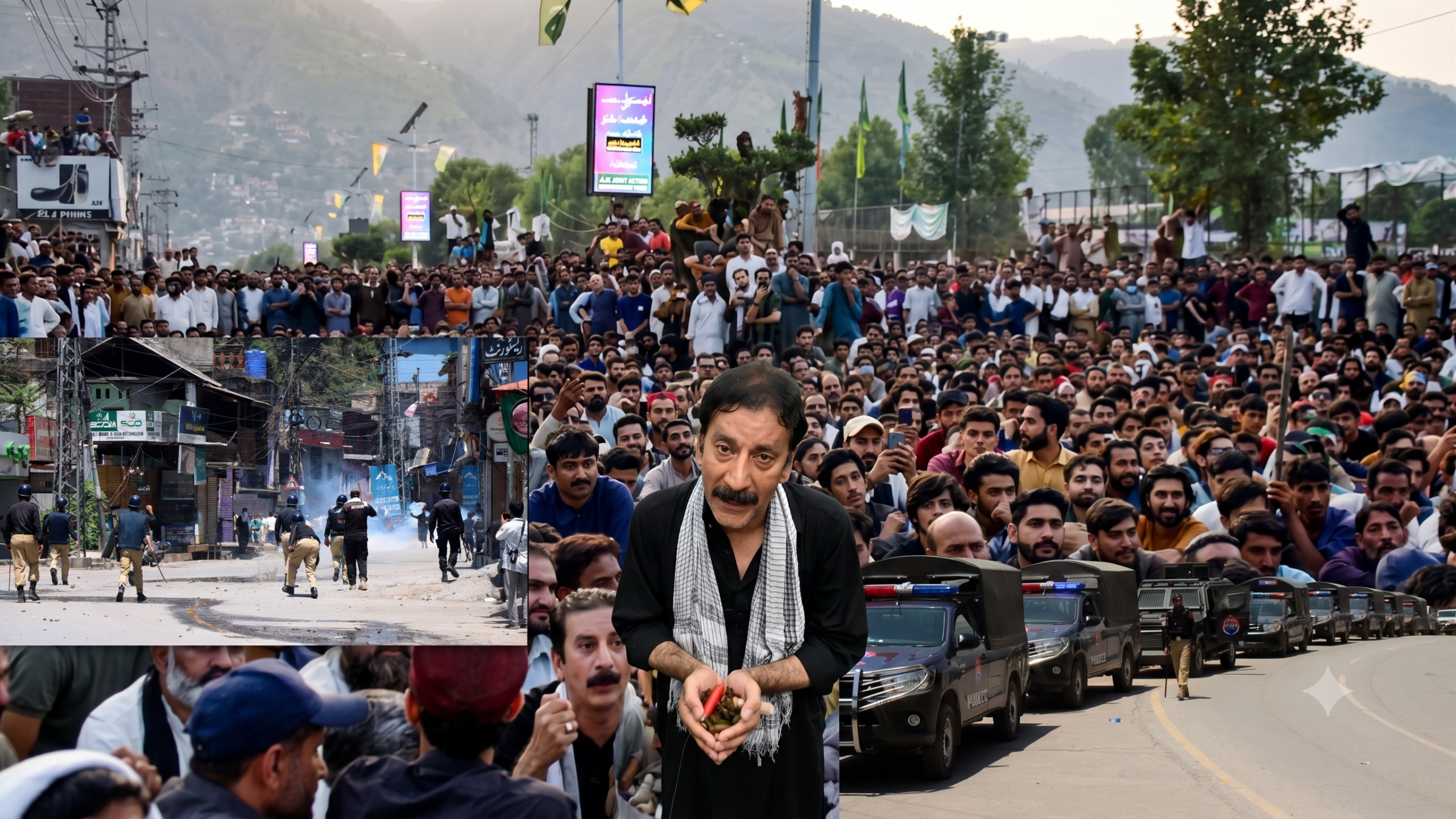
- Election Unrest & Boycott Movements: Posts from regional activists show active shutter-down strikes and blockades targeting election infrastructure. Clashes between police forces and protesters during voting activities resulted in reported civilian and security casualties.
- Disinformation & Verification Challenges: Due to ongoing media bans and restricted access for independent journalists, contrasting narratives dominate the online space. State-aligned handles frame the situation as law-and-order operations against illegal gatherings, while local civil society accounts report heavy-handed police tactics and arbitrary detentions.
Executive Summary of Events & Current Situation
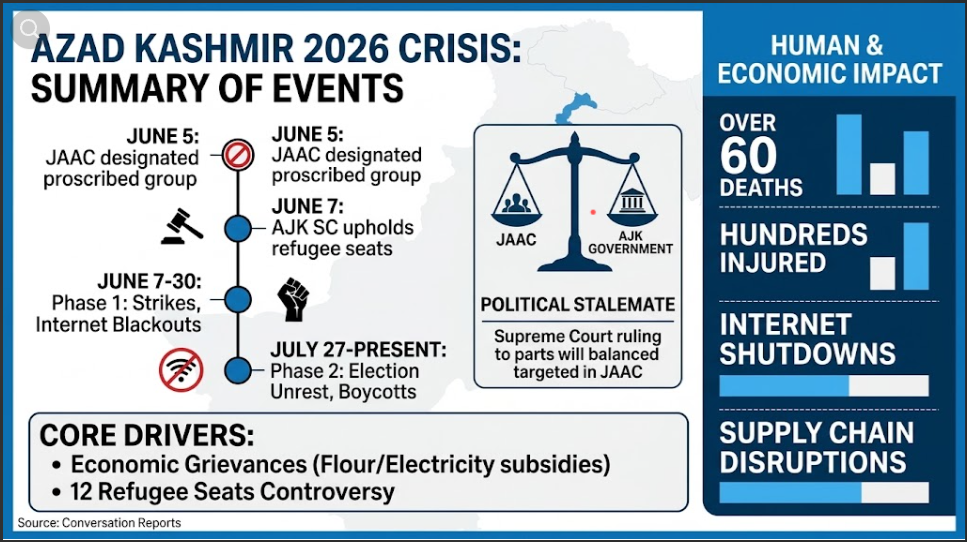
timeline of 2026 Azad Kashmir Crisis
———————————————————————-
June 5 JAAC designated a proscribed group under Anti-Terrorism Act
June 7 AJK Supreme Court upholds constitutional status of 12 refugee seats
June 7-30 Phase 1: Massive strikes, deadly clashes, and internet blackouts
July 27-Pres Phase 2: Election-period unrest, voter boycotts, and widespread protests
1. Core Drivers & Key Demands
The current unrest stems from an ongoing confrontation between the government and the Jammu Kashmir Joint Awami Action Committee (JKJAAC), a grassroots alliance of civil society groups.
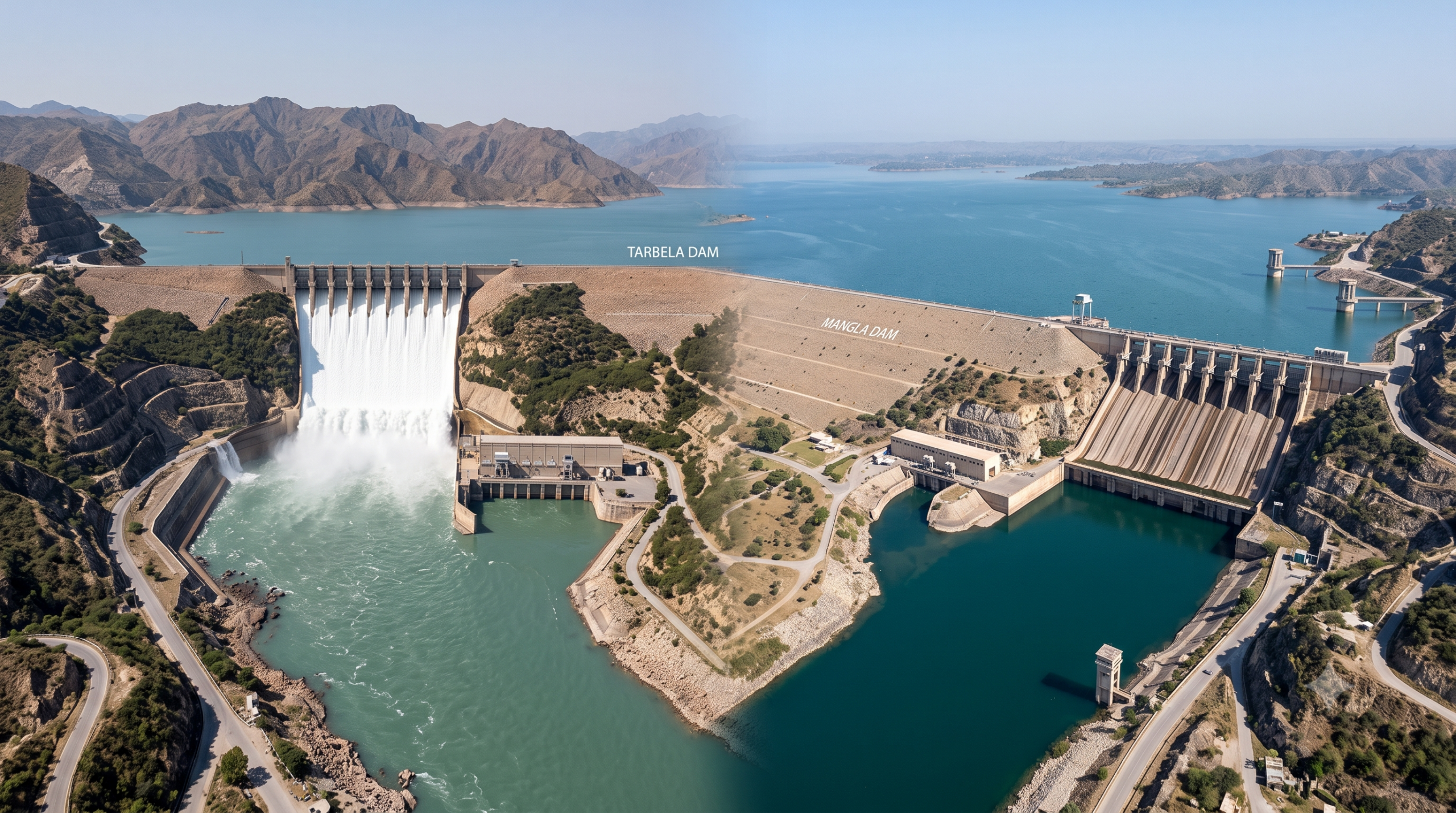
- The 38-Point Charter: Initially focused on economic grievances—such as subsidized wheat flour, lower electricity tariffs based on regional hydropower production (Mangla and Neelum-Jhelum projects), and anti-corruption measures—the scope expanded into structural political governance.
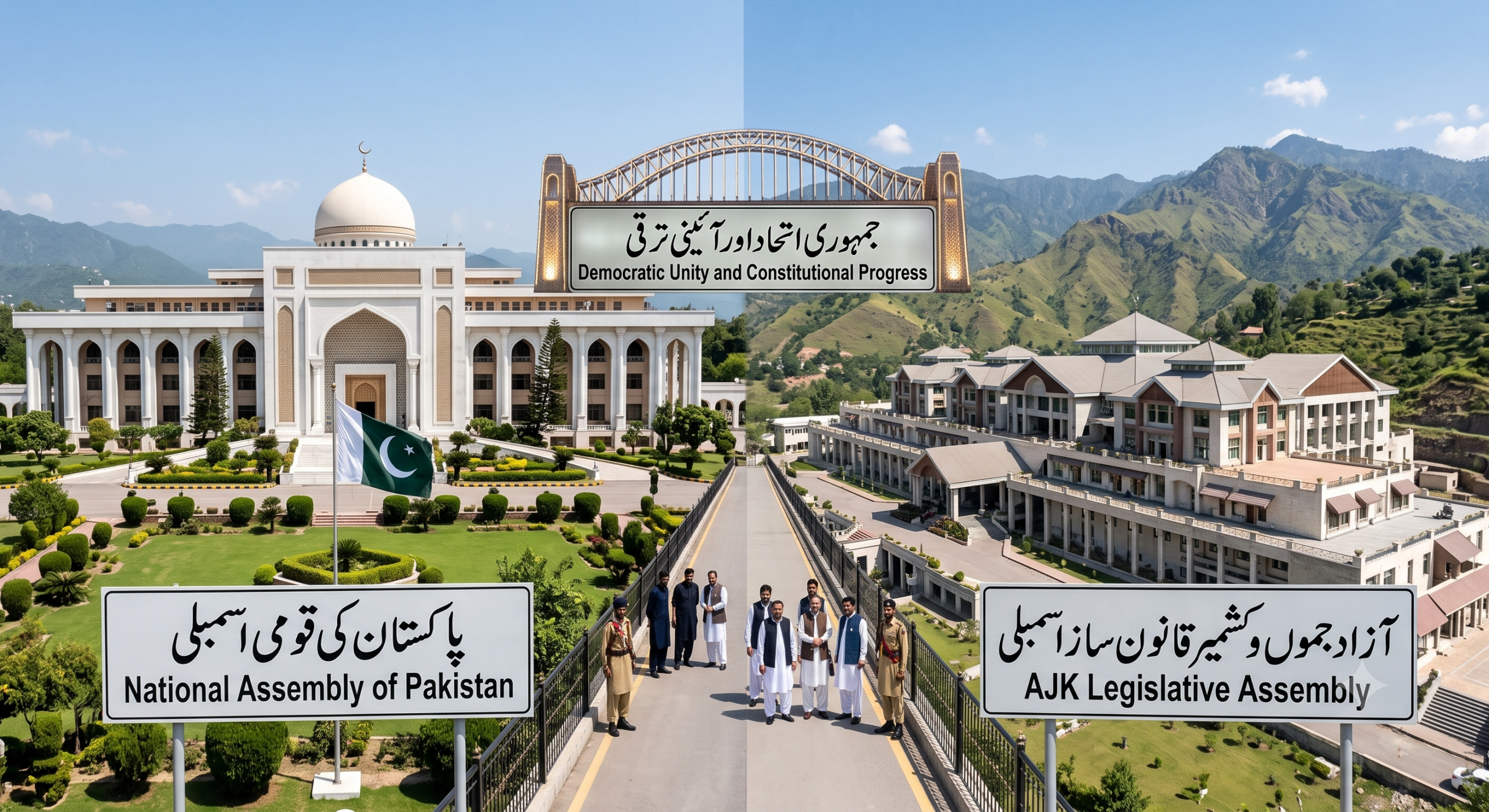
- The 12 Refugee Seats Dispute: The central political flashpoint is the demand to abolish the 12 seats in the AJK Legislative Assembly reserved for Jammu & Kashmir refugees living elsewhere in Pakistan. Protesters argue these seats allow non-residents and federal political interests to disproportionately influence local AJK governance.
2. Legal Escalation & Political Stalemate
- Supreme Court Ruling: On June 7, 2026, the AJK Supreme Court ruled that the 12 reserved seats are constitutionally protected and cannot be revoked without a formal constitutional amendment.
- Anti-Terror Designation: In early June, the government banned the JKJAAC under the AJK Anti-Terrorism Act. Rights organizations, including Amnesty International, condemned the move as an attempt to criminalize peaceful civic movement and suppress political participation.
3. Human & Economic Impact
| Parameter | Current Status & Details |
| Casualties | Over 60 deaths and more than 100 injuries recorded since June 2026 across Rawalakot, Kotli, Muzaffarabad, and Poonch. |
| Connectivity | Frequent regional internet shutdowns, mobile signal blockades, and restrictions on local reporting. |
| Supply Chain | Extended road blockades in Poonch division have led to severe shortages of basic foodstuffs, flour, and medical supplies. |
| Banking & Commerce | Telecom outages have disabled banking networks, digital transactions, and daily commerce across urban centers. |
4. Current Ground Reality
The situation in Azad Kashmir remains unstable. While federal ministerial teams have attempted negotiations, the state’s reliance on security enforcement alongside the movement’s call for sustained civil disobedience has led to a ongoing deadlock. High police presence, active travel advisories, and ongoing localized strikes dominate daily life across the territory.
Note and Disclaimer: This report is summarized from various Social media news and views.