
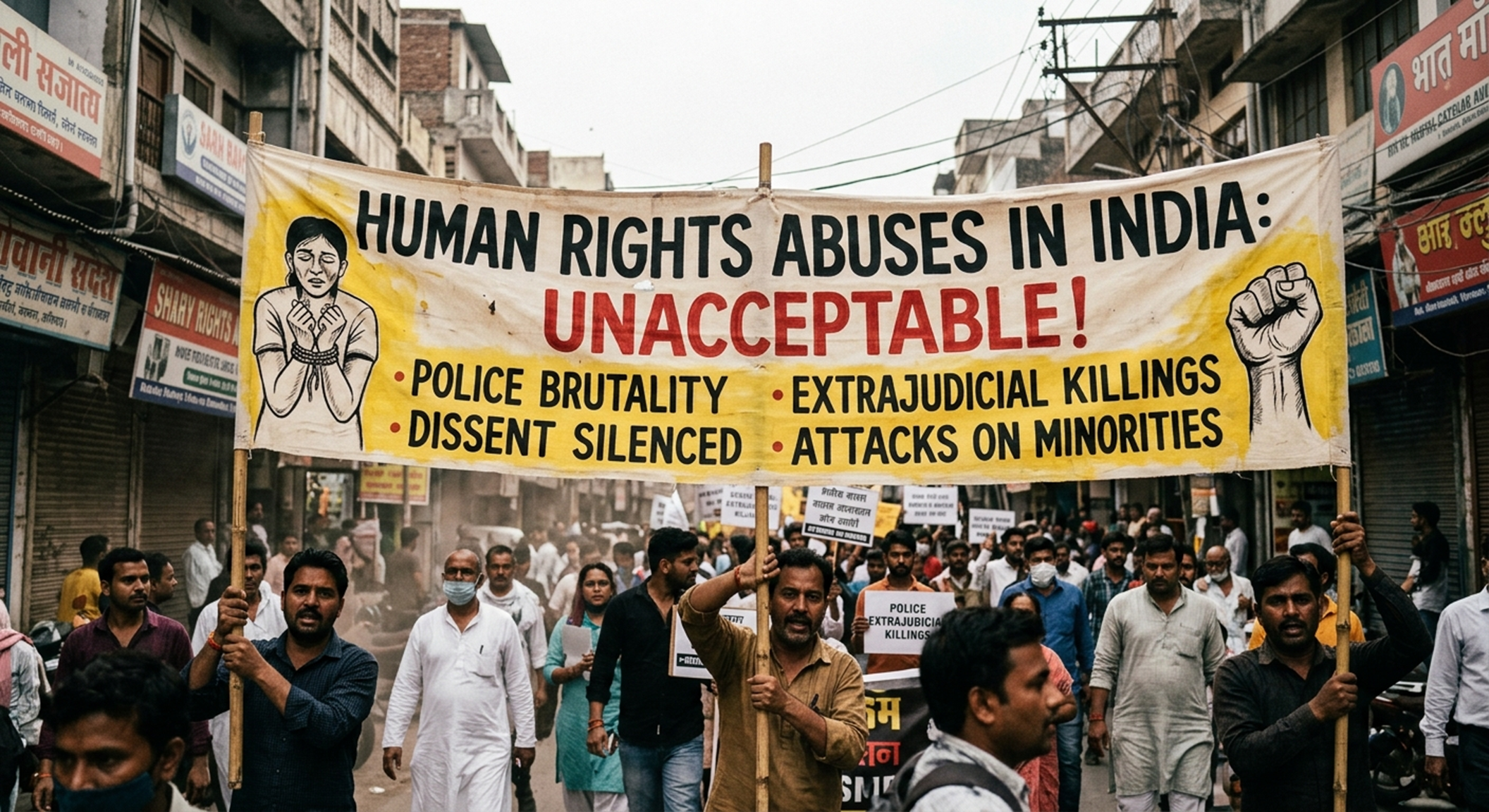
The Rise of India’s Cockroach Janta Party: From Satirical Resistance to Youth Mobilization
In mid-2026, an unexpected political phenomenon emerged in India’s civil and political landscape: the Cockroach Janta Party (CJP). What began as an online satirical response to elitist rhetoric quickly evolved into a powerful Gen-Z and youth-led movement for civil accountability, systemic reform, and political transparency.
Core Elements of Formation
The movement’s origins lie directly in discussions surrounding youth rights, dignity, and socio-economic marginalization.
- The Triggering Remarks: On May 15, 2026, during a court hearing regarding professional qualifications and activists, Chief Justice of India Surya Kant made controversial remarks referring to certain activists and unemployed youth as “cockroaches” and “parasites of society”. Though later clarified as referring to individuals obtaining fraudulent degrees, the comments struck a deeply sensitive nerve among millions of educated, unemployed young Indians facing systemic job precarity.
- Reclaiming Dehumanizing Labels: On May 16, 2026, political strategist Abhijeet Dipke launched the “Cockroach Janta Party” as a satirical platform. By reclaiming a derogatory term, the CJP positioned itself under the tagline “Voice of the Lazy & Unemployed,” providing a symbolic home for citizens who felt dismissed or uncounted by the state establishment.
- Demands Beyond Satire: Despite its humorous framing, the CJP quickly unveiled a serious policy manifesto. Its core platform campaigned for stricter parliamentary accountability, increased representation for women in cabinet and legislative posts, media independence, and systemic protection for job seekers and students.
Major Activities & Protests
The CJP’s transition from a digital movement into a physical force occurred rapidly through grassroots organizing and social media amplification.
- Digital Mobilization: Driven by millions of followers across social platforms like Instagram and X, the CJP used artificial intelligence tools, viral memes, and user-generated content to mobilize youth rapidly across state lines.
- The NEET Exam Paper Leak Protests: In June and July 2026, the movement anchored itself to widespread national anger following irregularities and paper leaks in major undergraduate medical entrance examinations (NEET). The leaks affected millions of aspirants and sparked national debate over institutional corruption.
- Mass Demonstrations at Jantar Mantar: Thousands of young protesters gathered at New Delhi’s iconic Jantar Mantar observatory, demanding structural reform of the examination system and the resignation of key government officials.
- Historic Concession: On July 25, 2026, following sustained public pressure and massive demonstrations, Union Education Minister Dharmendra Pradhan submitted his resignation—marking one of the most direct government concessions to a youth-led protest movement in recent Indian history.
Response & Handling by Authorities
The swift rise of the movement prompted strong responses from administrative, law enforcement, and legal authorities.
- Digital Restrictions & Censorship: On June 21, 2026, the Ministry of Electronics and Information Technology issued orders under Section 69(A) of the Information Technology Act to withhold the CJP’s official account on X (formerly Twitter) within India.
- Police Force & Crowd Control: Demonstrations in New Delhi and other state capitals faced heavy police presence. Clashes at protest sites resulted in the use of baton charges (lathis) and tear gas to disperse crowds.
- Detentions and Case Filings: Over 100 student activists and movement leaders faced temporary detentions and legal charges in states such as Assam, West Bengal, Bihar, and Delhi. While authorities in some states released detainees following negotiated resolutions, human rights monitors and movement spokespersons expressed continued concern over lingering legal cases against peaceful demonstrators.
- Government Dismissal of Allegations: Amid rumors regarding the movement’s funding, the Ministry of External Affairs explicitly stated on July 25, 2026, that there was no evidence of foreign funding or foreign links behind the CJP’s domestic activities.
Current Outlook
The Cockroach Janta Party represents a distinct shift in contemporary Indian youth politics. By converting official slights into a badge of solidarity, the movement forced institutional accountability on key national issues while exposing the delicate balance between state security apparatuses and civil rights to peaceful assembly.









Get involved!
Comments