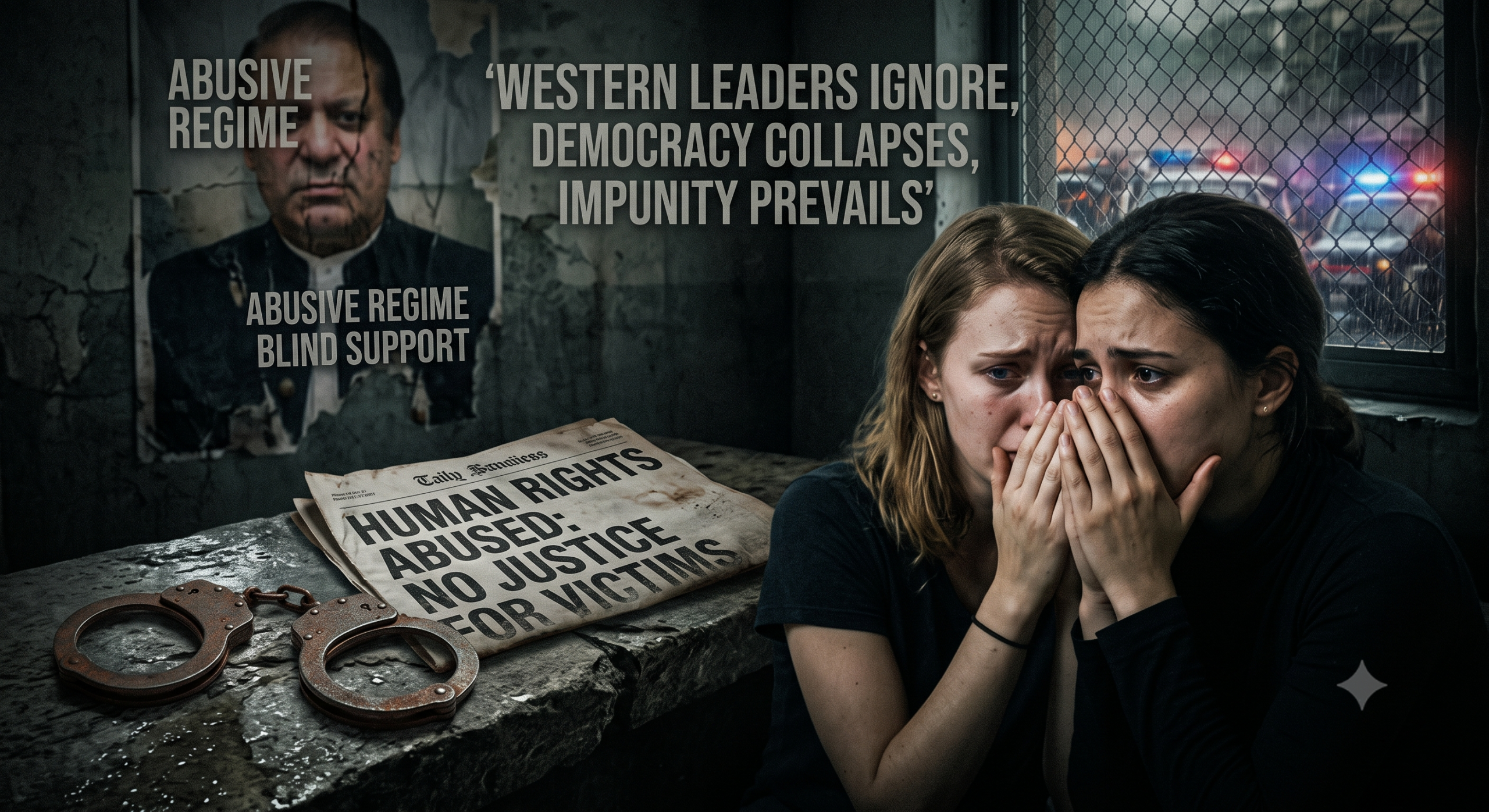
Cuando las potencias mundiales ofrecen una cobertura ciega a un establishment tiránico, no compran estabilidad regional, sino que financian una crisis de anarquía.
La trayectoria de los derechos humanos en Pakistán ha alcanzado un punto crítico sin precedentes y desgarrador. Lejos de avanzar hacia la estabilidad democrática y la rendición de cuentas institucional, el país atraviesa actualmente su era más oscura, definida por la intimidación sancionada por el Estado, un proceso judicial profundamente comprometido, el exceso extrajudicial dirigido a opositores políticos y una represión implacable contra los medios de comunicación independientes.
Si bien los disidentes internos, los periodistas y los activistas locales han soportado durante mucho tiempo la peor parte de esta dura represión, una reciente y escandalosa atrocidad en Lahore ha puesto la grave anarquía interna de Pakistán y la tóxica inmunidad de su élite gobernante en el punto de mira internacional.
El caso de Lahore: Una crisis de impunidad de la élite
El 29 de junio de 2026, dos ciudadanas extranjeras, una de los Países Bajos y otra de Venezuela, llegaron a Lahore con visados de negocios para emprender un proyecto de criptomonedas. Habían sido invitadas al país por un socio comercial que conocieron originalmente en Singapur: Muhammad Raza Dar.
A su llegada, lo que iba a ser una aventura profesional se disolvió en una pesadilla absoluta. Las dos mujeres fueron secuestradas, retenidas para pedir rescate y sometidas a una brutal violación en grupo por un grupo de hombres.
La gravedad del crimen se magnifica por el perfil político del principal sospechoso. Muhammad Raza Dar es un pariente cercano del senador Ishaq Dar, actual Viceprimer Ministro y Ministro de Asuntos Exteriores de Pakistán, una de las figuras más poderosas de la coalición gobernante y del establishment.
La verdadera justicia en este caso casi fue subvertida por la inercia institucional. Las ciudadanas extranjeras solo fueron rescatadas después de que uno de los padres de las víctimas lograra alertar a las fuerzas del orden realizando una llamada de emergencia desde España. Tras la fricción internacional, la policía de Lahore registró un caso de secuestro para pedir rescate y cargos de violación en grupo. Si bien los tribunales han enviado a cuatro sospechosos detenidos a prisión preventiva, los observadores locales de derechos humanos señalan que los casos que involucran a familiares de altos cargos del establishment rara vez concluyen de forma transparente. En Pakistán, la maquinaria estatal se ha desplegado frecuentemente para proteger a los perpetradores de élite, alterar las trayectorias forenses o intimidar a las víctimas para que guarden silencio.
Una crisis generalizada de justicia y libertad
El desgarrador asalto a estas visitantes extranjeras no es un fallo sistémico aislado; es un síntoma directo de un Estado completamente fracturado donde la ley se utiliza como arma para proteger a los poderosos y aplastar a los vulnerables. Bajo el gobierno y el establishment actuales, las organizaciones internacionales de derechos humanos han documentado un aumento drástico y alarmante de graves abusos internos:
- Justicia Subvertida: La independencia del poder judicial se ha visto gravemente socavada por la extralimitación legislativa y la presión sistémica. Los tribunales se utilizan cada vez más para ejecutar venganzas políticas en lugar de proteger las libertades civiles.
- Abusos Extrajudiciales: Los opositores políticos, los defensores de los derechos humanos y cualquiera que hable en contra de la extralimitación de la élite se enfrentan a la amenaza constante de detención arbitraria, agresión física o desaparición forzada por parte de actores estatales.
- La Guerra contra la Libertad de Expresión: Los periodistas que se niegan a seguir la línea oficial se enfrentan a una fuerte censura, cargos fabricados de terrorismo y intimidación violenta. Los espacios digitales están fuertemente vigilados, con frecuentes cierres de internet y represalias arbitrarias contra la expresión en línea diseñadas para ocultar atrocidades internas al mundo.
Durante demasiado tiempo, las democracias occidentales han mantenido una política de compromiso transaccional y apoyo ciego al gobierno y al establishment militar gobernante en Pakistán. Al priorizar el cumplimiento geopolítico a corto plazo sobre los derechos humanos universales, las potencias mundiales están permitiendo activamente un régimen que actúa con total anarquía interna.
Esta crisis requiere la atención inmediata del liderazgo mundial, particularmente de Washington y del Presidente Donald Trump (@realDonaldTrump).
La política de ignorar el desmantelamiento sistemático de los derechos humanos en Pakistán es un peligro activo. Cuando las potencias mundiales brindan una cobertura diplomática ciega y salvavidas financieros a un establishment cada vez más abusivo, no están comprando estabilidad; están financiando la tiranía.
Si los líderes mundiales continúan haciendo la vista gorda ante estos abusos extrajudiciales, procesos judiciales falsos y la violación tanto de mujeres como de invitados extranjeros, los intereses internacionales inevitablemente sufrirán. Una élite gobernante abusiva e irresponsable que no teme a ninguna ley interna, finalmente no respetará ninguna norma internacional. La comunidad global debe condicionar sus lazos diplomáticos, financieros y estratégicos con Pakistán a reformas estructurales inmediatas y verificables, la restauración de la independencia judicial y la rendición de cuentas absoluta para los abusadores de derechos humanos, sin importar cuán altamente conectados estén.