Desde que obtuvo la independencia en 1947, la India ha funcionado como una democracia constitucional basada en ideales seculares. Su marco legal fundamental, específicamente el Artículo 25 de la Constitución, garantiza la libertad de conciencia y el derecho a profesar, practicar y propagar libremente la religión.
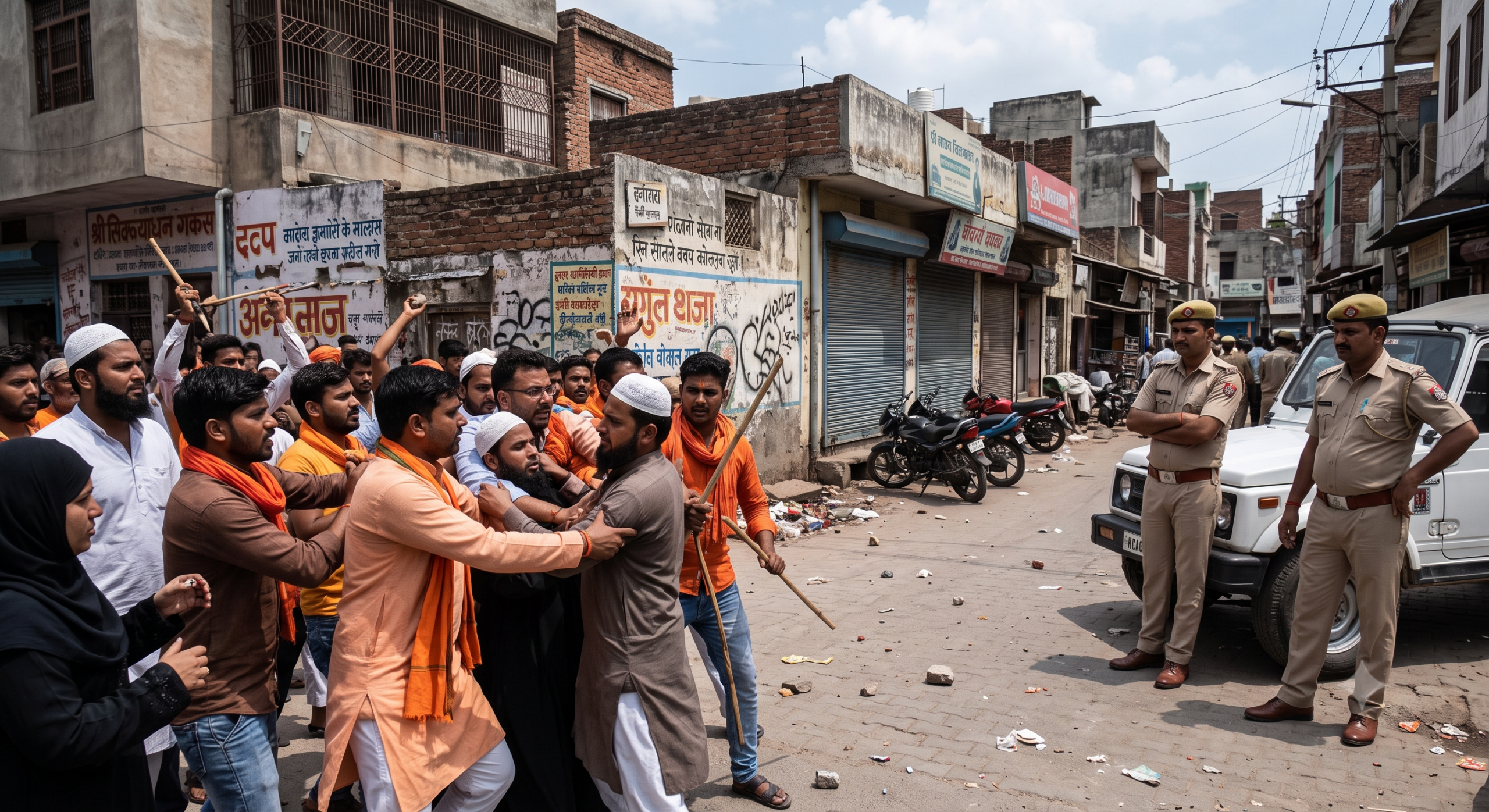
Sin embargo, la aplicación en el mundo real de estas protecciones ha enfrentado una tensión sistémica. Durante varias décadas y con una notable aceleración bajo los marcos mayoritarios contemporáneos, las minorías religiosas, particularmente los musulmanes y los cristianos, han encontrado una creciente presión por parte de fuerzas institucionales, legislativas y sociales.
La Base Histórica: Violencia Comunitaria desde 1947
La vulnerabilidad estructural de las minorías religiosas en la India no surgió de la noche a la mañana; está ligada al trauma histórico de la Partición de 1947, que dividió la India británica en la India de mayoría hindú y Pakistán de mayoría musulmana, desencadenando desplazamientos masivos y masacres comunitarias. Si bien las primeras décadas de la república experimentaron una calma relativa, las fallas estructurales estallaron periódicamente en masivos y localizados incidentes de violencia comunitaria.
Hitos Históricos Clave de la Violencia Religiosa
- Disturbios de Gujarat de 1969: Abarcando septiembre y octubre, estos enfrentamientos en Ahmedabad resultaron en la muerte de aproximadamente 660 personas, afectando de manera abrumadora a la comunidad musulmana local, y marcaron la primera escalada masiva de disturbios comunitarios post-Partición.
- Masacre de Nellie de 1983 (Assam): En medio de una intensa agitación política anti-extranjeros, una turba armada atacó y mató a entre 1.600 y 2.000 musulmanes de origen de Bengala Oriental en una sola mañana.
- Disturbios Anti-Sikh de 1984: Tras el asesinato de la Primera Ministra Indira Gandhi por sus guardaespaldas sijs, pogromos tolerados por el estado en Delhi y sus alrededores provocaron la muerte de más de 2.700 sijs. Funcionarios del gobierno y la policía local fueron ampliamente acusados de complicidad o inacción deliberada.
- Demolición de la Mezquita Babri de 1992: La destrucción de una mezquita del siglo XVI en Ayodhya por activistas nacionalistas hindúes encendió disturbios en todo el país que mataron a más de 2.000 personas. Este evento cambió fundamentalmente el consenso político del estado hacia el mayoritarismo.
- Disturbios de Gujarat de 2002: Desencadenada por un incidente de quema de trenes que mató a 59 peregrinos hindúes, la violencia de represalia se extendió por Gujarat. Más de 1.000 personas, principalmente musulmanes, murieron bajo la administración estatal liderada por el entonces Ministro Principal Narendra Modi, lo que generó una profunda preocupación internacional sobre la complicidad del estado.
Dinámicas Mayoritarias Modernas y Presiones Estructurales
Desde 2014, bajo el gobierno del Partido Popular Indio (BJP), el panorama de los derechos humanos en la India ha pasado de episodios de disturbios comunales a una marginación legal e institucional sistémica. Observadores de organismos de control internacionales señalan que el estado frecuentemente tolera graves violaciones de la libertad religiosa mientras despliega mecanismos federales para reprimir la disidencia.
PODERES DEL ESTADO Y UTILIDAD LEGISLATIVA
│
┌────────────────────┴────────────────────┐
▼ ▼
MECANISMOS LEGALES JUSTICIA VIGILANTE
– Leyes contra la conversión (12 estados) – Turbas de protección de vacas
– Ley de Enmienda a la Ciudadanía (CAA) – Boicots económicos
– Ley de Prevención de Actividades Ilegales – Demoliciones punitivas con "bulldócer"
1. La arquitectura legal de la exclusión
En lugar de depender únicamente de turbas erráticas, la discriminación se ha codificado en la ley estatal y federal:
- Legislación contra la conversión: Al menos 12 estados indios aplican estrictas leyes contra la conversión. Ostensiblemente diseñadas para prevenir conversiones "forzadas", son utilizadas rutinariamente por la policía para arrestar a pastores cristianos, detener trabajos de caridad y criminalizar matrimonios interreligiosos (a menudo etiquetados peyorativamente como "Love Jihad").
- Ajustes de Ciudadanía y Propiedad: La Ley de Enmienda de Ciudadanía de 2019 (CAA), junto con el Registro Nacional de Ciudadanos (NRC), introdujo una vía explícitamente basada en la fe para la ciudadanía que excluye a los musulmanes. Al mismo tiempo, cambios legislativos como el Proyecto de Ley de Enmienda de Waqf centralizan el control estatal sobre las propiedades y las dotaciones religiosas propiedad de minorías.
- Armamentismo de Leyes Antiterroristas: Estatutos estatales amplios, como la Ley de Prevención de Actividades Ilegales (UAPA), se utilizan para eludir el debido proceso estándar. Periodistas, académicos y activistas que defienden los derechos de las minorías se enfrentan a detención preventiva indefinida sin fianza.
2. Vigilancia y Vandalismo Descentralizados y de Bajo Costo
Una característica central de la crisis actual de derechos humanos es el uso de actores no estatales para hacer cumplir las normas mayoritarias, proporcionando al aparato estatal formal una negación plausible.
- Turbas de Protección de Vacas (Gau Rakshaks): Grupos de vigilantes patrullan carreteras y áreas rurales, asaltando y linchando violentamente a personas sospechosas de transportar ganado o consumir carne de res. Estos ataques se dirigen principalmente a musulmanes de bajos ingresos y dalits (anteriormente conocidos como "intocables").
- Demoliciones Punitivas ("Justicia del Bulldozer"): Municipios locales en varios estados han adoptado un patrón de uso de maquinaria pesada para demoler las casas, negocios y lugares de culto de personas de minorías acusadas de delitos o de participar en protestas, eludiendo la verificación judicial bajo el pretexto de eliminar "estructuras ilegales".
- Boicots Económicos y Sociales: Organizaciones de extrema derecha de base organizan campañas públicas coordinadas exigiendo que los ciudadanos se nieguen a comprar productos a vendedores musulmanes, marginando sistemáticamente a las comunidades de bajos ingresos de las economías locales.
El Espacio Cívico Menguante: En evaluaciones internacionales, la Comisión Nacional de Derechos Humanos de la India se enfrentó a recomendaciones de una degradación al estatus "B" debido a una falta observada de independencia y transparencia. Los monitores de derechos civiles destacan que la profunda polarización, junto con el cumplimiento institucional, continúa erosionando los principios seculares fundamentales de la democracia más grande del mundo.