
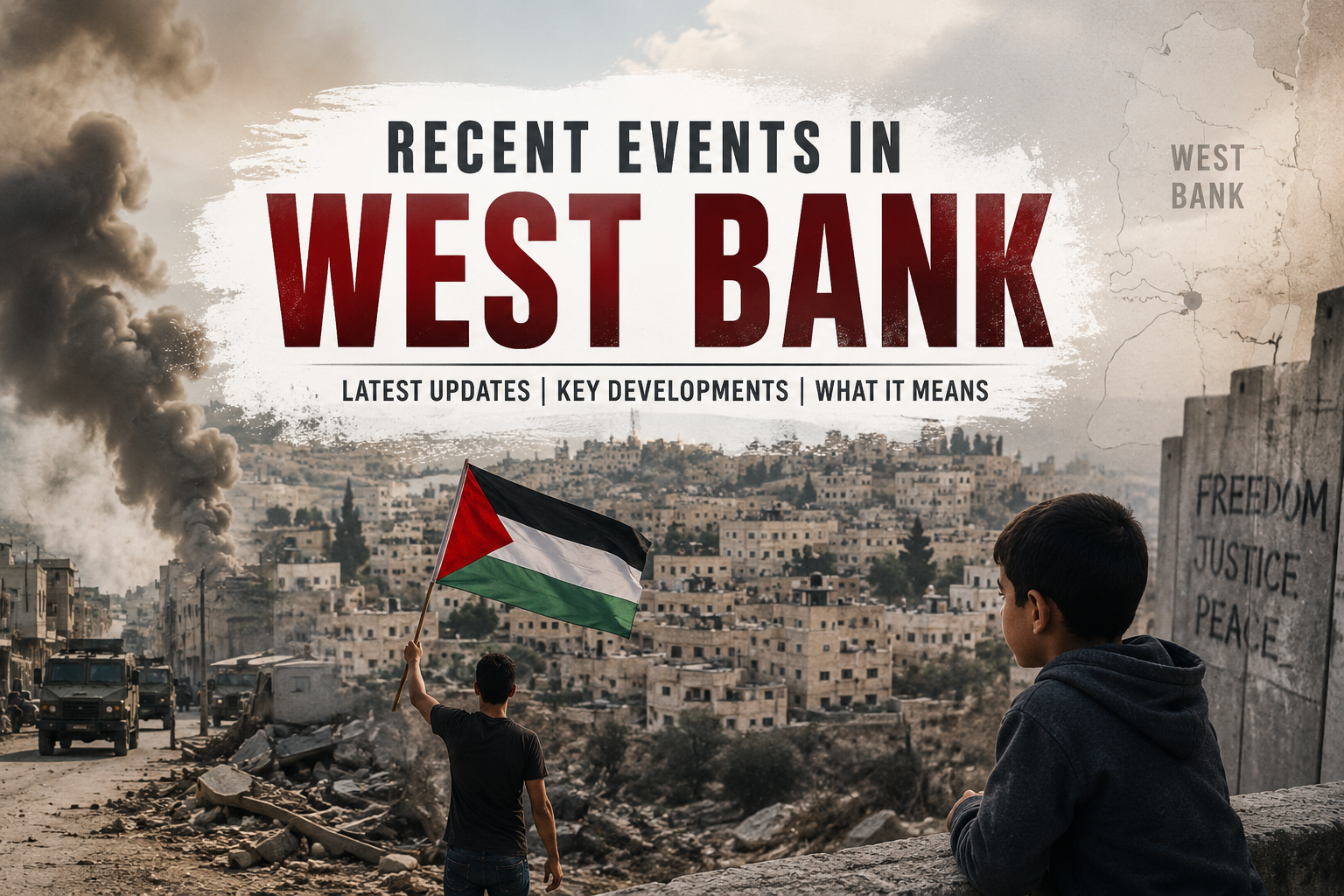
مقبوضہ مغربی کنارے میں کشیدگی: آباد کاروں کی بڑھتی ہوئی تشدد اور ریاستی کارروائیاں
گزشتہ تین ہفتوں کے دوران، مقبوضہ مغربی کنارے میں پرتشدد واقعات میں شدید اضافہ دیکھا گیا ہے، جس میں مہلک چھاپے، آباد کاروں کی منظم لوٹ مار، اور مسلح اسرائیلی آباد کاروں اور فوجی دستوں کے درمیان مشترکہ کارروائیاں شامل ہیں۔ انسانی حقوق کی تنظیموں اور اقوام متحدہ نے فلسطینی برادریوں پر حملوں میں غیر معمولی اضافہ ریکارڈ کیا ہے، جس کے نتیجے میں متعدد شہری ہلاک ہوئے، املاک کو وسیع پیمانے پر نقصان پہنچا، اور بڑے پیمانے پر لوگ بے گھر ہوئے۔
فلسطینی دیہاتوں میں چھاپوں میں اضافہ
جولائی 2026 کے وسط سے آخر تک، مغربی کنارے کے فلسطینی قصبوں کو اسرائیلی سیکورٹی فورسز کے ساتھ مسلح آباد کاروں کی جانب سے منظم حملوں کا سامنا کرنا پڑا۔
دیر جریر اور المغیر میں حملے
دیر جریر (رام اللہ کے مشرق میں) گاؤں میں، قریبی چوکیوں سے مسلح آباد کار رات گئے کمیونٹی میں داخل ہوئے، اور لاپتہ مویشیوں کی تلاش کا دعویٰ کیا۔ انہیں جلد ہی اسرائیلی فوجیوں اور پولیس افسران نے مدد فراہم کی اور ان کی حفاظت کی، جنہوں نے مقامی کسانوں سے درجنوں بھیڑیں چھیننے میں مدد کی۔
جب مقامی باشندے اپنی املاک کے تحفظ کے لیے جمع ہوئے، تو اسرائیلی فوجیوں نے براہ راست فائرنگ کر دی۔ دو فلسطینی مرد - جن میں مقامی گاؤں کونسل کے رکن اودھ فرجنا (53) بھی شامل تھے - ہلاک ہو گئے، جبکہ دیگر کو گولیوں کے زخم آئے۔ انسانی حقوق کی تنظیم بی'تسیلم نے اس واقعے کو ریاستی حمایت یافتہ بے دخلی کے منظم نمونے کا حصہ قرار دیا:
”آباد کار حملہ کرتے ہیں اور چوری کرتے ہیں، جبکہ فوج اور پولیس ان کے ساتھ ہوتے ہیں اور ان فلسطینیوں کو گولی مارتے ہیں جو اپنے گھروں اور املاک کے تحفظ کی کوشش کرتے ہیں۔“
— یولی نوواک، بی'تسیلم کی ایگزیکٹو ڈائریکٹر
یہ اسی طرح کے ایک مشترکہ چھاپے کے بعد ہوا جو اس مہینے کے شروع میں المغییر میں ہوا تھا، جہاں 17 سالہ فادی حمد اللہ النعسان فوج اور آباد کاروں کے اس کے گھر پر حملے کے دوران گولی لگنے سے زخمی ہونے کے بعد دم توڑ گیا۔
ٹیل کا واقعہ اور بڑے پیمانے پر انتقامی کارروائیاں
نقل مکانی کے تناؤ 24 جولائی، 2026 کو اس وقت عروج پر پہنچ گئے جب مسلح آباد کاروں نے نابلس کے قریب ٹیل گاؤں میں غیر قانونی طور پر داخل ہوئے۔
- ٹیل میں تصادم: ویڈیو فوٹیج میں ایک مسلح آباد کار کو مقامی باشندوں کو دھکیلتے ہوئے دکھایا گیا ہے اس سے پہلے کہ ہتھیار پر جھگڑا شروع ہو جائے۔ آباد کاروں اور پہنچنے والے اسرائیلی فوجیوں کے درمیان ہونے والی فائرنگ میں چار فلسطینی کزنز - فاروق، ابراہیم، جواد، اور عمران رمضان - ہلاک ہو گئے۔ ایک مسلح آباد کار اور ایک اسرائیلی فوجی افسر بھی اس واقعے میں ہلاک ہوئے۔
- اسرائیلی فورسز کا ہسپتال پر چھاپہ اور سیکورٹی آپریشنز: واقعے کے بعد، اسرائیلی سیکورٹی فورسز نے زخمی فلسطینیوں کو گرفتار کرنے کے لیے نابلس اسپیشلسٹ ہسپتال پر چھاپہ مارا جو جھڑپ سے بچ گئے تھے۔ اسرائیلی حکومت نے بعد میں وسیع فوجی آپریشنز، نئے چیک پوائنٹس، آس پاس کے دیہاتوں پر کرفیو، اور غیر قانونی بستیوں کی تعمیر کی منظوری میں تیزی کا اعلان کیا۔
- بڑے پیمانے پر انتقامی فسادات: تل میں واقعے کے فوراً بعد، سینکڑوں آباد کاروں نے پڑوسی فلسطینی دیہاتوں کے خلاف بڑے پیمانے پر انتقامی حملے کیے۔
- فارعتہ اور سرہ: آباد کاروں نے کم از کم گیارہ رہائشی مکانات، متعدد گاڑیاں، اور زرعی کھیتوں کو آگ لگا دی جبکہ رہائشیوں پر براہ راست فائرنگ کی۔
- مداما اور عورتا: زرعی زمین کو بلڈوز کیا گیا، سینکڑوں زیتون کے درخت اکھاڑے گئے، اور گاؤں والوں کو جسمانی طور پر تشدد کا نشانہ بنایا گیا۔
- جیت، عراق بورین، اور مسافر یatta: آباد کاروں نے گھروں پر چھاپے مارے، املاک کو نقصان پہنچایا، اور دیواروں پر "انتقام" جیسے قوم پرست نعرے لکھے۔
فلسطینی کمیونٹیز پر تباہ کن اثرات کا نمونہ
واقعات کی حالیہ لہر مغربی کنارے میں فلسطینی زندگی پر کئی ساختی اثرات کو اجاگر کرتی ہے:
| اثر کی قسم | دستاویزی مظاہر |
| جانی نقصان اور زخمی | صرف جولائی میں درجنوں فلسطینی ہلاک؛ سینکڑوں براہ راست فائرنگ، ربڑ کی گولیوں، اور جسمانی تشدد سے زخمی ہوئے۔ |
| املاک اور زرعی تباہی | گھروں کو منظم طور پر جلانا، گاڑیوں پر آگ زنی کے حملے، زیتون کے باغات کی تباہی، اور زرعی زمین کو بلڈوز کرنا۔ |
| معیشت اور مویشیوں کی چوری | دیہی کاشتکاری کمیونٹیز سے مویشیوں کی بار بار ضبطی اور چوری، خاندانوں کو آمدنی کے بنیادی ذرائع سے محروم کرنا۔ |
| بے دخلی اور پابندیاں | 3,200 سے زائد فلسطینی 2026 میں آباد کاروں کی تشدد اور گھروں کی مسماری کی وجہ سے بے گھر ہوئے؛ پورے اضلاع پر سخت فوجی ناکہ بندی اور کرفیو نافذ کیا گیا۔ |
ریاستی اداروں اور پالیسی کا ساختی کردار
بین الاقوامی مبصرین، جن میں اقوام متحدہ کا انسانی امور کے رابطہ دفتر (OCHA) اور کارٹر سینٹر شامل ہیں، نوٹ کرتے ہیں کہ آباد کاروں کی خود مختاری کو سرکاری ریاستی پالیسی کے ساتھ تیزی سے مربوط کیا جا رہا ہے:
- آتشیں اسلحہ کے ضوابط میں نرمی: وزیروں اِتَمَر بِن-گْوِیر اور بَزَلَل سَمُوٹریچ کی طرف سے فروغ دی گئی پالیسی تبدیلیوں نے شہری آباد کاروں کو فوجی طرز کے ہتھیاروں کی وسیع پیمانے پر تقسیم کو آسان بنایا ہے۔
- ادارہ جاتی تحفظ: فوجی یونٹ اکثر فلسطینی نجی زمینوں میں آباد کاروں کے حملوں کے دوران سیکورٹی کے طور پر کام کرتے ہیں، بنیادی طور پر فلسطینی رہائشیوں کے خلاف طاقت کا استعمال کرتے ہیں جو خود دفاع کی کوشش کرتے ہیں۔
- قانونی استثنیٰ: آباد کاروں کے تشدد کے خلاف قانون نافذ کرنے والے ادارے کے اقدامات انتہائی نایاب ہیں، جو سرکاری فوجی موجودگی کے تحت مزید خود مختارانہ کارروائیوں کی حوصلہ افزائی کرتے ہیں۔









شامل ہوں!
تبصرے